00:00 / 04:54
00:00 / 04:54

Graysmith Cracks the Zodiac Cipher, Explained

Zodiac · 2007

Capítulo 11 de 30 · 4'54"

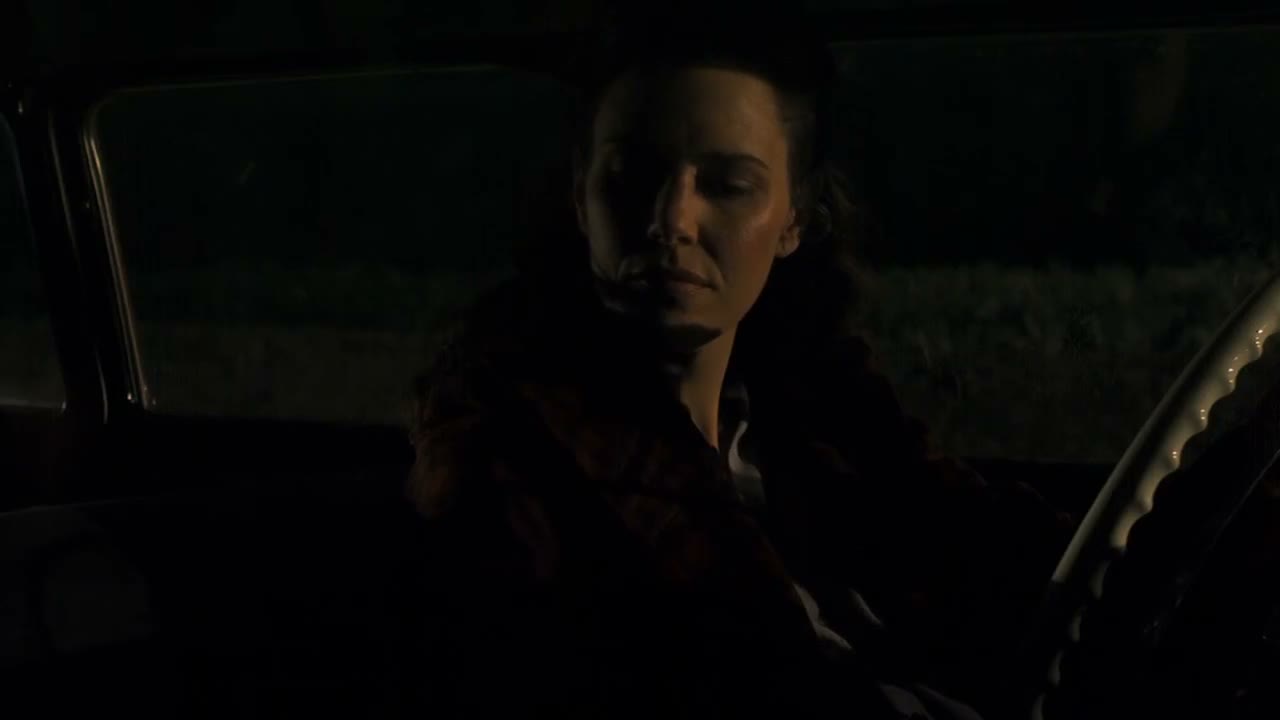
One side of the scene is puzzle-solving — a substitution code cracked with the help of a double L and the word 'kill.' The other is a plea: the killer writes that he cannot stop himself, calling it a cry for help that may also be a performance.

InvestigationInterrogationsExplainingConfrontingLawyer & clientB2fastamericanClean

Key moments

Start here, then watch the full scene
  1. ❝ Monólogo · 10 frases From double L to kill

    He turns a scout table into a working crime method, one guess at a time.

    0:20–0:47
    27s
  2. Two Ways to Read the Killer's Letter

    3:30–3:52
    23s
  1. ❝ MonólogoFrom double L to kill10 frasesPracticar ↗

Graysmith Cracks the Zodiac Cipher, explained

What happens

A reporter explains the Zodiac's first cipher as a simple substitution code, the kind used by boy scouts: guess that the doubled symbols stand for L, then assume the word they spell is 'kill,' and the alphabet starts to fall into place. Elsewhere, the killer mails a letter to a famous lawyer asking for help, and detectives debate whether it is genuine.

What's really going on

The cipher material is a reminder that this case runs on pattern-matching rather than certainty: a lucky guess about double letters is treated as real progress. The second half is murkier. The killer's letter frames him as tormented — “this thing in me won't let me” — and the lawyer repeats that reading, calling it a window into a soul. The detective's reply, “Or maybe he just likes the attention,” refuses the sympathy and keeps the case grounded in manipulation. Together the two halves show how the Zodiac is made: part arithmetic, part performance, and always inviting people to over-read him.

Key lines & what they mean

“It is a cry for help, intended as a private communiqué.”
The lawyer reads the letter as private anguish, arguing the killer wrote to him alone and wanted help rather than publicity.
“Even though he tries to ignore it, it drives him.”
The lawyer's theory: the urge to kill is an addiction the writer cannot suppress no matter how he struggles.
“Could be. Or maybe he just likes the attention.”
The detective's counterpoint: the letter may be less a confession of torment than a need to be watched and written about.
“Well, you can't be too careful.”
A throwaway line while a stranger offers to tighten a wheel, yet it lands with menace given who may be speaking.

Theme

  • Deception — The killer's plea for help is read by some as genuine torment and by others as a performance aimed at attention.
  • Philosophy — Solving the cipher becomes a question of method and luck, as guesses about letters are treated as real knowledge.

Qué aprendes en este capítulo

Puntos de enseñanza

Repasa justo después de ver
Mi nivel1/4

A1–C2 es la escala MCER. Las tarjetas por encima del nivel elegido se atenúan y la reproducción no se pausa en ellas.

Zodiac: tu progreso

Capítulo 11 de 30 · quedan unos 96 min

← Anterior
Siguiente · 12the more the merrierLa escena: Kathleen Johns Escapes the Zodiac

Ideas clave

Lo que te llevas
  1. Ask what's your angle for hidden motives
  2. Hear a cry for help as framed distress
  3. Read in his blood as deep habit
  4. Use can't be too careful as caution

Preguntas frecuentes

La pregunta, luego la frase
How did they crack the Zodiac's first cipher?

By treating it as a simple substitution code: assume the doubled symbols stand for L, guess that the repeating four-letter word is 'kill,' and use the matching letters to start rebuilding the alphabet.

Why does the killer write to a lawyer?

The letter is addressed to a famous lawyer and asks for help, suggesting the writer wanted a public voice on his side. The lawyer treats it as a private cry, though he still shares it with the press.

Does the lawyer believe the letter is genuine?

He argues it is a window into the killer's soul and that killing is a compulsion, so he takes the plea seriously. A detective counters that the killer may simply enjoy the attention.

What does 'what's your angle' mean?

It's a suspicious question meaning 'what are you really trying to get out of this?' You use it when someone's sudden helpfulness seems to hide a motive.