“Dr. Rudd, my predecessor, had some sort of prejudice against her.”
The careful phrasing hints at a grudge without ever accusing anyone outright.
Formal
Capítulo 25 de 28 · 3'08"
A medical casebook from years ago answers what the séance could only hint at: how Mary Meredith's model really died. The old doctor records a cold bedroom, snow on the floor, and a nurse who threatened him with legal action. "Returned to Windward this evening. Patient dead," he writes — and his choice of words makes the death a crime.
The Casebook Points to Murder
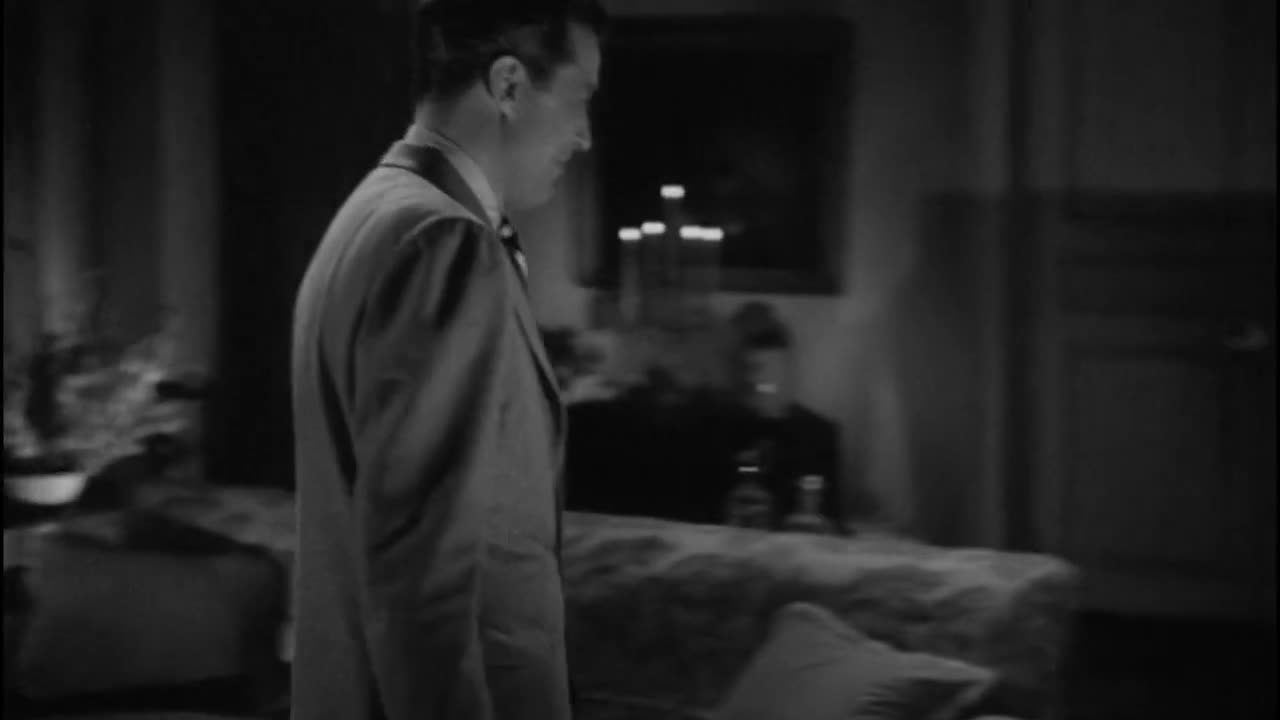
Roderick returns from Bodmin Moor with Miss Holloway's claim that Carmel killed Mary Meredith. Dr. Scott recalls that his predecessor, Dr. Rudd, disliked Holloway, and fetches the old casebook. The notes show that Carmel died of double pneumonia in an unwarmed bedroom, with snow on the floor. Rudd writes that he spoke severely to the nurse and was threatened with legal action for using the words "criminal negligence".
Up to now the hauntings have been testimony and atmosphere; the casebook turns them into evidence. The séance said that Carmel was murdered, and Dr. Rudd's handwriting supplies the means: a patient left in the cold, a nurse warned, and then, within hours, a death. The doctor's own words do the accusing — "Found traces of snow on the floor" and "Patient dead" — and when he notes that he used the phrase "criminal negligence", the modern reader hears murder. Scott's dry joke that Rudd's handwriting makes him 200 years old keeps the scene from turning grim, but the two men know what they have found. By the end Roderick can say plainly that Miss Holloway "murdered Carmel, in a quiet, ladylike way." The casebook also shifts the danger: the commander collapses, and the threat moves from the house to the people closest to it.
A1–C2 es la escala MCER. Las tarjetas por encima del nivel elegido se atenúan y la reproducción no se pausa en ellas.
“Dr. Rudd, my predecessor, had some sort of prejudice against her.”
The careful phrasing hints at a grudge without ever accusing anyone outright.
Formal
“I feel all the wickedness of this house gathering around.”
The image of wickedness gathering around turns a vague dread into something closing in.
literary
“You'd get it, if you stuck out for it.”
The dry conditional turns an apology into a test of nerve, and the speaker knows it.
Informal
“From his handwriting, Dr. Rudd must have been 200 years old.”
A teasing joke defuses the gloom of the old casebook and brings the characters to life.
Informal
Siguiente · 26pile it onLa escena: The Plan to Rescue StellaIt shows that Carmel died of double pneumonia in a bedroom nobody warmed, with snow on the floor. Rudd spoke severely to the nurse and was threatened with legal action after calling it criminal negligence.
For a doctor of his generation, "criminal negligence" was close to an accusation of murder. The patient was left in the cold and died the same night, which is why Scott and Roderick read it as deliberate.
She claims that Carmel killed Mary Meredith. Roderick reports this after visiting her, which sends Scott to his predecessor's records for another explanation.
She was Mary Meredith's nurse and was present at the death. Rudd's notes show she was suspected of neglecting Carmel, and she later built the Mary Meredith Retreat.
He is gravely ill — the maid calls the doctor because he has "took awful bad". His illness pulls Roderick and Scott away from the casebook and raises the stakes.