
“Some girl of the Josefstadt Theatre. You know what Harry was.”
Por qué es buena
He gives her a stage and no name, then lets one shrug explain Harry for everyone.
Registro
Informal
Úsala tú
You know what Tom was, always late.
Capítulo 4 de 17 · 2'08"
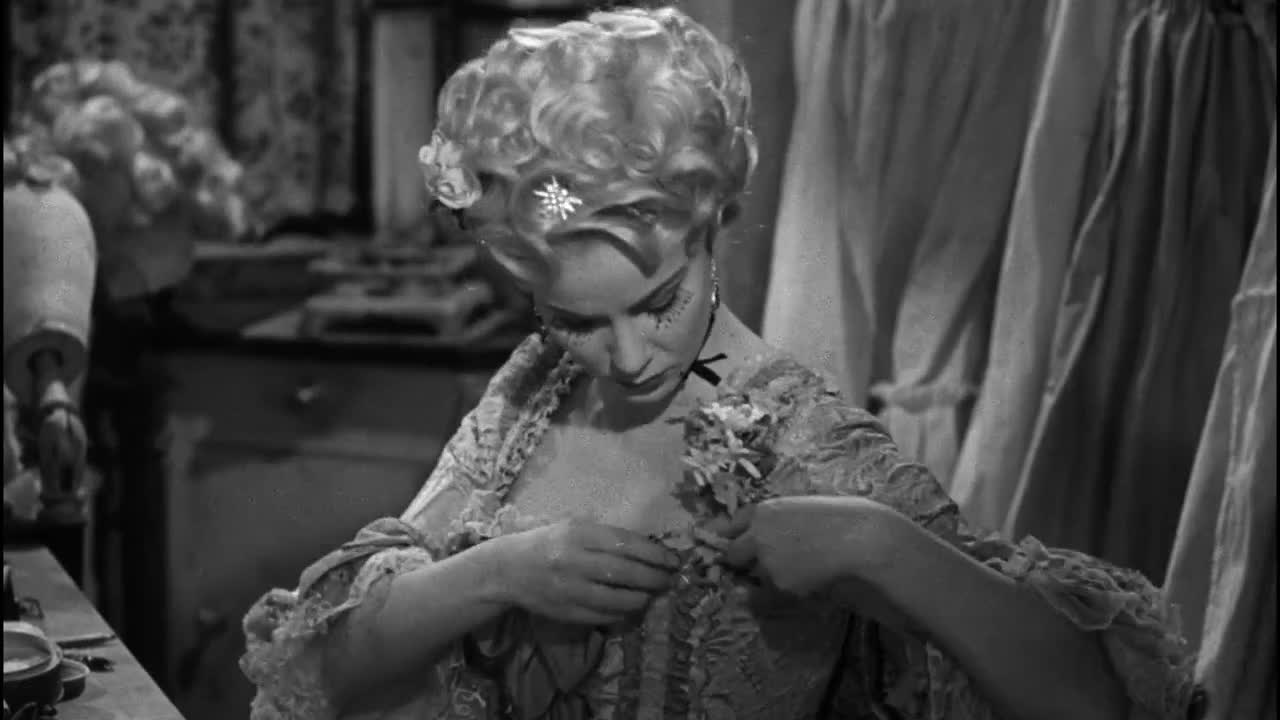
Martins is not satisfied with the official story. Questioning the porter about who used to visit Lime, he learns a girl from the Josefstadt Theatre was at the funeral, and is warned off: "You oughtn't to speak to her. It would only cause her pain." He tears up his ticket home and books a seat for that night.
Martins Refuses the Ticket Home
After Lime's funeral, Martins questions the hotel porter about who used to visit the dead man. He learns that a girl from the Josefstadt Theatre was at the funeral, but nobody will give her name. He refuses the plane ticket home and buys a seat for the theatre that night.
The scene is an interrogation disguised as an errand, and its subject is grief as much as detection. Martins keeps asking who came to Lime's funeral — "Who was at the funeral besides you?" — because he cannot accept the version he has been handed. The answers close every door: a doctor, a girl whose name nobody remembers, and a warning not to reopen the past: "What's the good of another post-mortem?" The phrase says it all, using the vocabulary of the morgue for the act of asking questions. What Martins is really doing is refusing to let Harry become a closed case, and the film makes his stubbornness both admirable and dangerous.
A1–C2 es la escala MCER. Las tarjetas por encima del nivel elegido se atenúan y la reproducción no se pausa en ellas.
“Some girl of the Josefstadt Theatre. You know what Harry was.”
He gives her a stage and no name, then lets one shrug explain Harry for everyone.
Informal
“You oughtn't to speak to her. It would only cause her pain.”
A warning dressed as concern; the kindness is the lock on the door.
Formal
“What's the good of another post-mortem?”
One rhetorical question writes off the whole investigation as pointless, and does it politely.
Neutral
“You'd do better to think of yourself.”
Advice that sounds caring and works as a brush-off; it tells Martins to drop it and go.
Neutral
“One has to work the best way one can, you know.”
It turns personal compromise into a law of nature, which is exactly how people excuse themselves.
Neutral
“- Here's the ticket for the plane tomorrow. - You tell the major I won't need it.”
He refuses through a messenger, which keeps the fight going without ever facing Calloway.
Informal
 Siguiente · 05what difference does it makeLa escena: Martins Visits Anna After the Funeral
Because she was at Lime's funeral and might know something about his death. He is not satisfied with the official explanation and wants witnesses who actually knew Lime.
Literally an examination after death, but here it means yet another rehashing of the case. The speaker is asking what good it does to dig up the whole story again.
He claims he does not know it, though he does mention her theatre. His evasiveness suggests he is protecting her, or himself, from further trouble.
The ticket is Calloway's way of sending him home. Martins refuses because he intends to stay in Vienna and keep asking questions about Harry Lime.
He orders a ticket for the Josefstadt Theatre that night, hoping to find the girl there, and reminds the man that Crabbin has offered him room at headquarters.