00:00 / 03:28
00:00 / 03:28

Bob Crane's New Video Camera, Explained

Auto Focus · 2002

Capítulo 5 de 16 · 3'28"

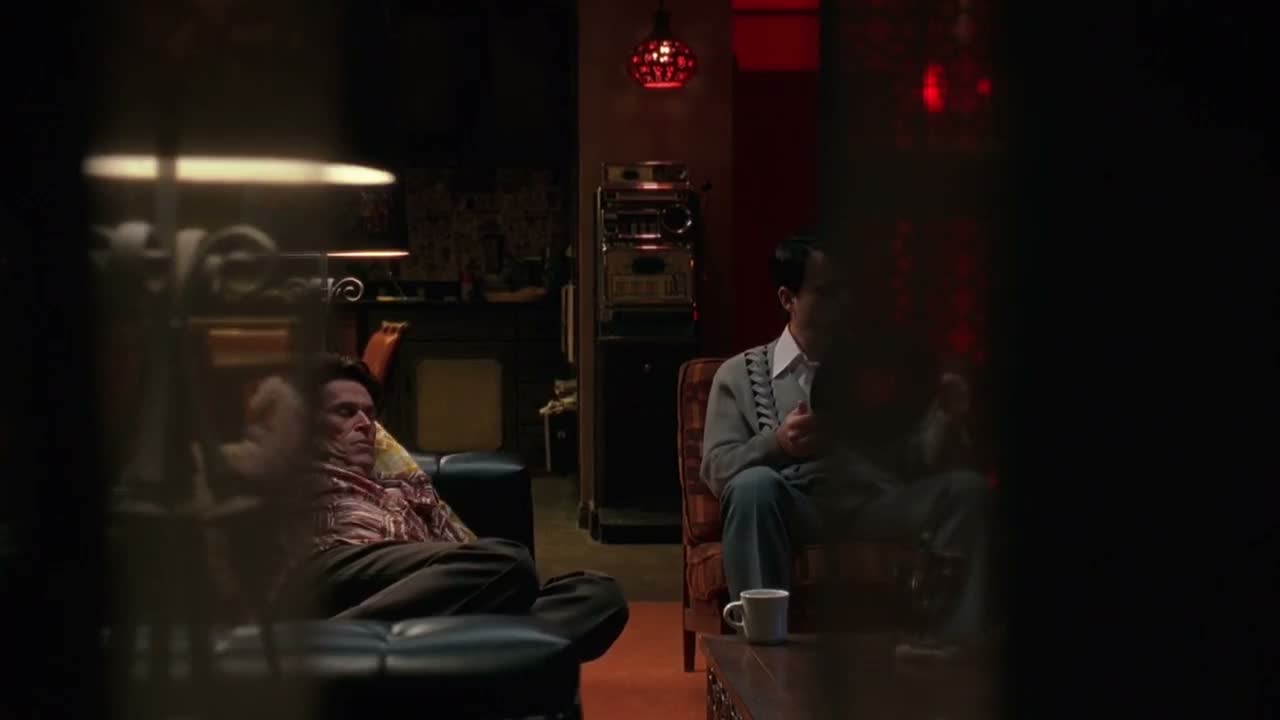
Bob Crane discovers a video camera and immediately points it at everyone around him. He is thrilled to be ahead of the technology curve, but the filming is also a way of keeping people at a distance. "Home movies," he calls it, while the people in front of the lens start to object.

PartiesOffice chatComplimentingComplainingCoworkersB1slowamerican

Key moments

Start here, then watch the full scene
  1. Bob Airs His Feud With Dawson

    1:07–1:46
    39s
  2. Bob Turns the Camera on His Own Home

    2:44–3:26
    42s

Bob Crane's New Video Camera, explained

What happens

Bob Crane gets a video camera and falls for it at once, filming the cast party, the women there and the crew. He boasts that the new technology puts them light years ahead, then complains that a colleague keeps trying to undercut him. At home, he turns the camera on his wife while she washes dishes and calls it home movies.

What's really going on

What looks like a man excited about a gadget is really the start of an obsession that will consume him. Bob points the camera at everything, and the footage becomes more important than the people in it. Even the apartment turns into a set: his wife objects, and he answers with a camera in her face and the words "Home movies," as if naming the thing made it innocent. The earlier scene at the party shows the same instinct, where he films women and murmurs, "Where have you been all my life?" The camera lets him watch without being seen, and that distance is exactly what he wants. It is a small domestic moment, but the film treats it as the beginning of the end.

Key lines & what they mean

“Where have you been all my life?”
A flattering line aimed at a woman he has just met on camera: charm used as a way of getting access.
“It's him, or it's me.”
A blunt ultimatum to a colleague: choose between the rival and me, delivered without room for compromise.
“We are light years ahead of everybody!”
His boast about the video camera: one step of technology feels like an entire era of advantage.
“It's like the Polaroid of home movies.”
A comparison that captures his excitement: instant images, no waiting, the whole appeal in one phrase.
“We're gonna have to burn this tape.”
A joke about footage too dangerous to keep, hinting that the camera is already recording things that should not be seen.
“Hey, I do my best work in front of the camera.”
A cocky line that doubles as a warning: he is happiest when he is being watched.

Theme

  • Dreams — A new gadget becomes an obsession, and the pleasure of filming slowly replaces the life he is filming.
  • Marriage — He turns the camera on his own wife and calls it home movies, ignoring that she has asked him to stop.

Qué aprendes en este capítulo

Puntos de enseñanza

Repasa justo después de ver
Mi nivel0/4

A1–C2 es la escala MCER. Las tarjetas por encima del nivel elegido se atenúan y la reproducción no se pausa en ellas.

Auto Focus: tu progreso

Capítulo 5 de 16 · quedan unos 25 min

← Anterior
Siguiente · 06clear enough for youLa escena: Bob Catches John on Tape

Preguntas frecuentes

La pregunta, luego la frase
What does Bob buy in this scene?

A video camera, a new piece of gear that needs no film processing. He is thrilled by it and starts filming everyone around him almost immediately.

Why does Anne object to being filmed?

She is doing ordinary chores and doesn't want to be photographed washing dishes. To her the camera is an intrusion, while to Bob it is just home movies.

What is the quarrel with Dawson about?

Dawson wanted the lead role that Bob got, and Bob says he keeps making snide remarks and trying to undercut him. The feud makes Bob demand that a colleague choose sides.

What does Bob's filming habit suggest about him?

He prefers watching to being close. The camera gives him a way to look at people, especially women, without having to meet them on equal terms.