00:00 / 04:17
00:00 / 04:17

Abolitionists Present a Huge Petition, Explained

Amazing Grace · 2006

Capítulo 11 de 18 · 4'17"

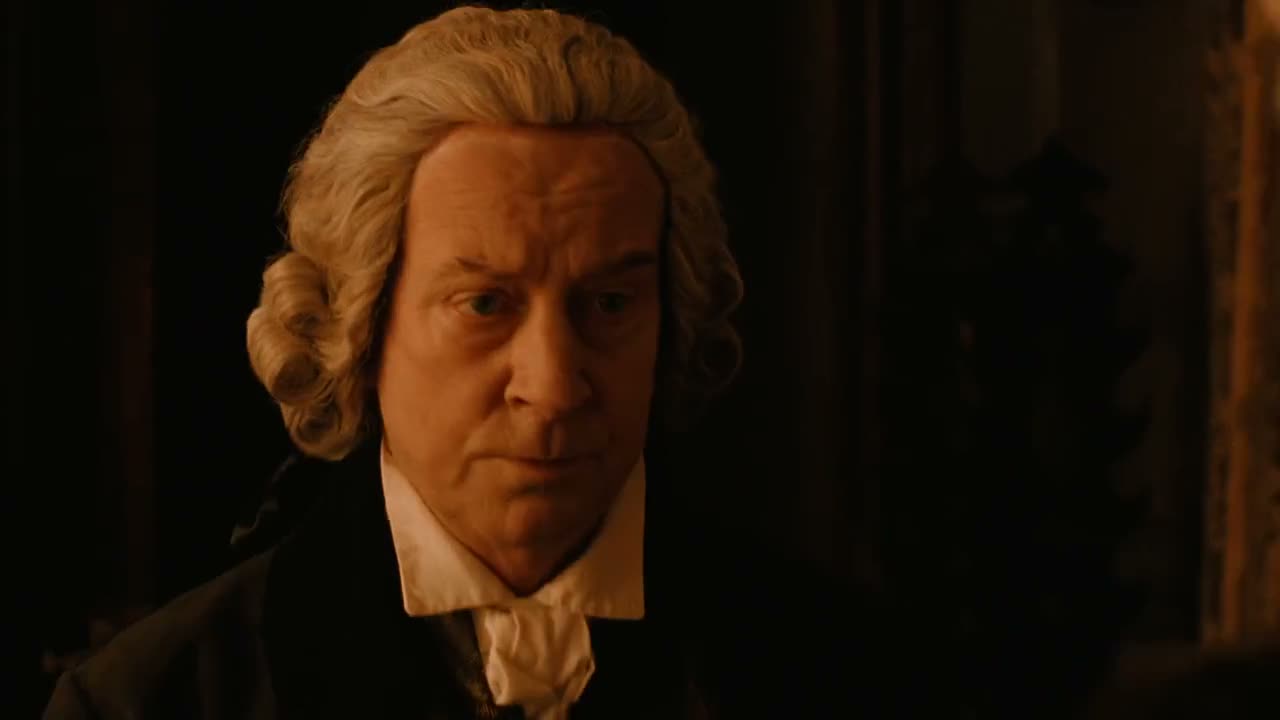
A pro-slavery MP argues that the Africans don't object and that ordinary Britons don't care. The abolitionists answer with a petition signed by more than 390,000 people. When the other side tries to stall by checking the signatures, the reply becomes the line of the scene: "you will not drown out the voice of the people."

SpeechesPersuasionConfrontingPersuadingRivalsC1slowbritishClean

Key moments

Start here, then watch the full scene
  1. ❝ Monólogo · 5 frases A Witty Put-Down Over Weak Arguments

    1:01–2:16
    75s
  2. ❝ Monólogo · 6 frases You Won't Drown Out the Voice of the People

    2:39–4:01
    82s
  1. ❝ MonólogoThe defence of the trade5 frasesPracticar ↗
  2. ❝ MonólogoWilberforce answers with names6 frasesPracticar ↗

Abolitionists Present a Huge Petition, explained

What happens

In the House, a member for Liverpool defends the slave trade, claiming the slaves are comfortable and the British public doesn't care. The abolitionists respond by presenting a petition with over 390,000 signatures calling for the trade to end. The debate turns bitter as one side tries to delay and the other refuses to be shouted down.

What's really going on

This is the abolitionists turning the charge of radicalism back on the House. The Liverpool MP insists there is "no evidence that the Africans themselves have any objection to the trade," so they produce evidence of a different kind: a petition signed by hundreds of thousands of ordinary people. His complaint that Britain should not be "governed by the rule of the mob" is answered with the line the whole chapter is named for — "No matter how loud you shout, you will not drown out the voice of the people." The debate also shows how the other side fights: not by defending slavery on the merits, but by asking for time to examine the signatures, a delay the abolitionists call "very provoking." Public opinion is the new weapon, and the House doesn't know what to do with it.

Key lines & what they mean

“No matter how loud you shout, you will not drown out the voice of the people!”
The chapter's defining line: whatever the House does to delay or shout it down, public opinion is now too large to silence.
“I do feel that if my honourable friend continues to scrape the bottom of the barrel for objections, he is in danger of getting splinters under his fingernails.”
A witty put-down: the other side has run out of good arguments and is now scraping for scraps, so the speaker warns they'll get splinters.
“Winds blow ships from Africa to the Indies naturally, as if the route were blessed by God.”
Part of the pro-trade case: the route is treated as natural and even providential, which is meant to make the trade seem inevitable and good.
“That roll of paper reeks of rebellion!”
The petition dismissed in one outraged sentence: to its opponents, ordinary people organizing is not democracy but sedition.

Theme

  • Power — The debate is about who gets to be heard: Parliament's members or the hundreds of thousands who signed the petition.
  • Justice — The abolitionists answer self-interested arguments with mass public support, reframing slavery as a question of the people's will.

Qué aprendes en este capítulo

Puntos de enseñanza

Repasa justo después de ver
Mi nivel0/4

A1–C2 es la escala MCER. Las tarjetas por encima del nivel elegido se atenúan y la reproducción no se pausa en ellas.

Amazing Grace: tu progreso

Capítulo 11 de 18 · quedan unos 20 min

← Anterior
Siguiente · 12a wave of good intentionsLa escena: Pitt Warns a Friend Over Cards

Ideas clave

Lo que te llevas
  1. Volume can lose an argument when the crowd is on the other side.
  2. A petition turns private feeling into a public number.
  3. Honourable friend is politeness doing the work of a jab.
  4. As if it were blessed by God hides a profit motive.

Preguntas frecuentes

La pregunta, luego la frase
What is the petition in this scene?

A petition calling for the abolition of the slave trade, taken to Britain's major cities and signed by more than 390,000 people.

Why does the MP for Liverpool oppose abolition?

He represents a port city that profits from the trade. He claims the slaves are comfortable and that ordinary Britons don't care about slavery.

What does "scrape the bottom of the barrel" mean?

It means to use up your good options and settle for the worst ones. Here it mocks an MP for hunting for weak objections to abolition.

Why do some MPs call the petition rebellious?

They fear giving ordinary people political power. A mass petition looks like mob rule to them, so they call it dangerous and try to delay.