
謎を静かに問いかける英語|『David Attenborough's Natural History Museum Alive』
still survives somewhere out in those remote Himalayan mountains
· David Attenborough's Natural History Museum Alive (2014)
AUDITION CUE SHEET & SCRIPT
David Attenborough's Natural History Museum Alive (2014)
謎を静かに問いかける
Lines: 5 | Words: 45
Time: 0m 20s
Target Pace: 135 WPM
| # | Time | Dialogue & Cue Beats | Acting Notes / Subtext / Blocking |
|---|---|---|---|
| 1 | 0:00 | Gigantopithecus is commonly thought to have died out several hundred thousand years ago. | |
| 2 | 0:05 | But sightings of the yeti continue to be reported, | |
| 3 | 0:09 | so is it possible that some kind of giant ape, | |
| 4 | 0:13 | maybe even Gigantopithecus itself, | |
| 5 | 0:15 | still survives somewhere out in those remote Himalayan mountains? |
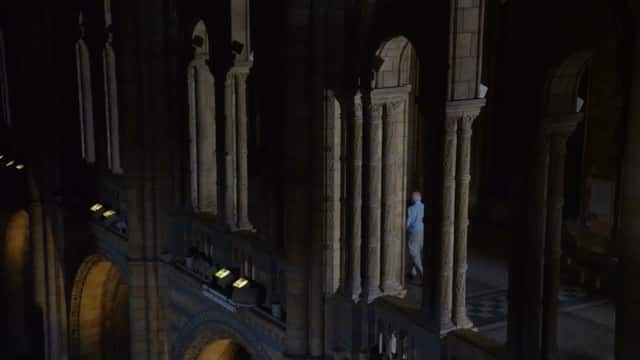
Gigantopithecus is commonly thought to have died out several hundred thousand years ago.
ギガントピテクスは一般的に、数十万年前に絶滅したと考えられています。
But sightings of the yeti continue to be reported,
止まらずに、俳優について行く
Space 再生/停止 · ← → 前/次の行 · R もう一度
練習する価値
絶滅したはずの巨猿の話から、雪男の目撃情報へと静かに展開する。落ち着いた語りの中に好奇心がにじみ、英語の疑問文や間の取り方を学ぶ素材としても魅力的だ。
語り手は、ギガントピテクスが数十万年前に絶滅したと考えられていると説明する。そのあと雪男の目撃情報に触れ、ヒマラヤの奥地に巨大な類人猿がまだ生きている可能性を観客に問いかける。
シャドーイングのコツ
最初の文は事実を淡々と読み、"is it possible" で少し声を上げる。"still survives" をゆっくり強めると、疑問とロマンが伝わる。
ログインするとセリフを保存して、練習したフレーズを記録できます。
David Attenborough's Natural History Museum Alive の英語セリフをもっと
 B252 行 · 5m 27s
It's hard to imagine a time when the world didn't know about dinosaurs
恐竜の発見を語るDavid Attenborough's Natural History Museum Alive · 2014内省的心を動かす小さな歯から恐竜の世界が広がる流れが魅力です。英語では、発見の順番を丁寧に追う表現と、驚きを込めた言い方を練習できます。 B26 行 · 39s
certain ancient animals that we'll never see with our own eyes
絶滅動物への好奇心を語るDavid Attenborough's Natural History Museum Alive · 2014内省的心を動かす見られる動物から永遠に会えない絶滅動物へと視点を移し、静かな声で好奇心を膨らませる。英語の語りに必要な落ち着いた抑揚と間の取り方を練習できる。 B210 行 · 1m
This creature was half reptile, half bird.
事実を積み重ねて語るDavid Attenborough's Natural History Museum Alive · 2014穏やか自己成長羽毛から骨、脳のスキャンへと証拠を重ね、静かな驚きで生き物の正体を明かしていきます。抑えた語りを真似すると、落ち着いて説得する英語のリズムが身につきます。 B213 行 · 1m 26s
This was no myth.
化石から伝説を確かめるDavid Attenborough's Natural History Museum Alive · 2014内省的ドラマ化石の説明が進むうちに、古い伝説が証拠へ変わる瞬間が迫力を増します。静かな語りから疑問文への緩急を追うと、英語の抑揚と言い切り方が身につきます。
ほかの英語セリフ
 B26 行 · 25s
you are the only ones who can do it
理想より成果を求めるスプライス · 2009決意仕事・説得この短い一節は、理想を語る相手を現実に戻す緊張感が魅力です。譲歩の言い方から断定の間まで、英語の抑揚を練習できます。 B27 行 · 34s
A watched pot never boils
軽い冗談で説明するエスケープ・ルーム · 2019機知に富むコメディドラマ身近なことわざから難解な量子の話へ広がる流れが魅力。軽い冗談から正確な説明へ移る息継ぎを練習できる。 B213 行 · 1m 15s
Something is wrong in this country
悲しみを込めて訴えるボウリング・フォー・コロンバイン · 2002決意失恋・喪失悲しみを抑えながら社会に問いかける姿が印象的。短い繰り返しとアクセントの置き方で、感情を込めた英語の言い方を練習できる。 B29 行 · 22s
I couldn't believe that I actually... Could represent an innocent man.
無実を疑った悔いリンカーン弁護士 · 2011繊細自己成長証拠に圧倒され、無実の可能性を信じられなかった自分に気づく瞬間が印象的。短い繰り返しと止め方を追うと、後悔を抑える話し方が身につきます。