

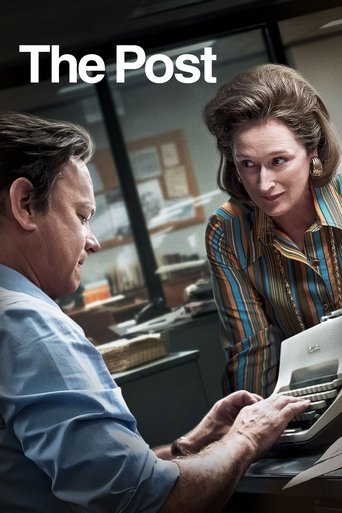
En junio de 1971, los principales periódicos de EE.UU., entre los que se encontraban 'The New York Times' y 'The Washington Post', tomaron una valiente posición en favor de la libertad de expresión, informando sobre los documentos del Pentágono y el encubrimiento masivo de secretos por parte del gobierno, que había durado cuatro décadas y cuatro presidencias estadounidenses. En ese momento, Katherine Graham, primera mujer editora del Post, y el director Ben Bradlee intentaban relanzar un periódico en decadencia. Juntos decidieron tomar la audaz decisión de apoyar al 'The New York Times' y luchar contra el intento de la Administración Nixon de restringir la primera enmienda. Historia basada en los documentos del Post que recogían información clasificada sobre la Guerra de Vietnam.
Capítulos
Frases que se oyen en esta película
Cada frase tiene su propia página con las líneas donde aparece.
- you know· Modismo · 23 líneas
- get it· Modismo · 12 líneas
- see you· Modismo · 7 líneas
- come on· Phrasal verb · 7 líneas
- jesus christ· Jerga · 6 líneas
- at stake· Modismo · 5 líneas
- i mean· Modismo · 5 líneas
- as well· Modismo · 5 líneas
- good morning· Cotidiana · 5 líneas
- i know· Modismo · 5 líneas
- at least· Modismo · 4 líneas
- excuse me· Cotidiana · 4 líneas
❝ Más monólogos de Los archivos del Pentágono
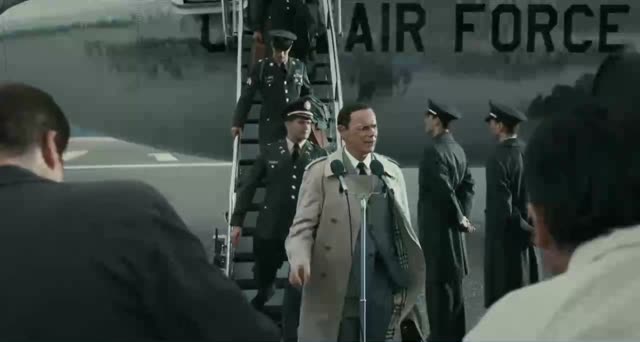 B18 frases · 19s
He asked whether I was optimistic or pessimistic.
La postura oficial sobre VietnamLos archivos del Pentágono · 2017Este pasaje presenta un discurso político formal y rítmico, ideal para practicar la cadencia y claridad profesional.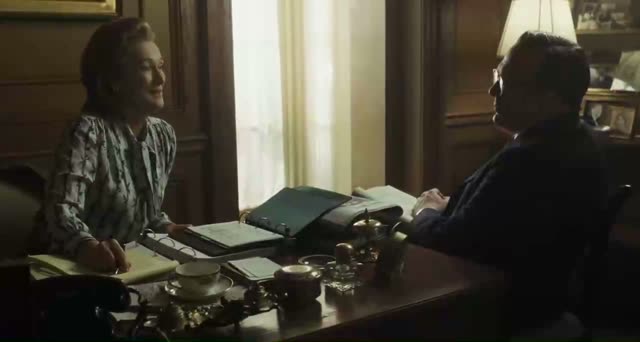 B18 frases · 24s
Good. But why spend in the newsroom?
La calidad y la rentabilidad van de la manoLos archivos del Pentágono · 2017Este pasaje presenta una lógica empresarial persuasiva con estructuras de oraciones rítmicas y asertivas, ideales para practicar el énfasis profesional.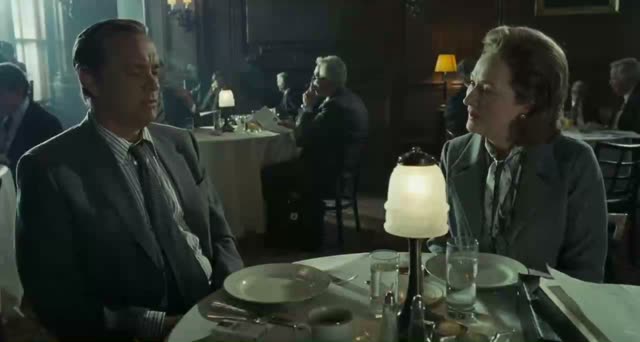 B18 frases · 18s
Nope, nope. Nope. I'm not gonna send another reporter.
No permitiremos que la Casa Blanca nos dicteLos archivos del Pentágono · 2017El hablante utiliza afirmaciones fuertes y rítmicas para defender la integridad periodística, ideal para practicar el énfasis.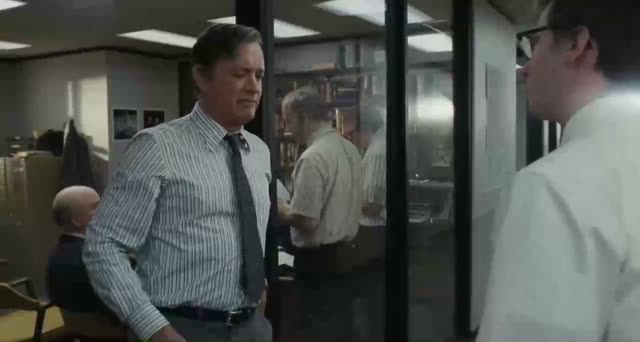 B18 frases · 20s
I want you to take the first train up to New York...
La misión para el pasanteLos archivos del Pentágono · 2017El tono rápido y autoritario es perfecto para practicar el ritmo natural y el mando en inglés.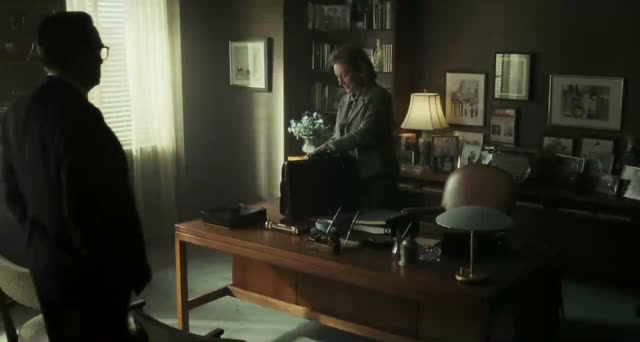 B16 frases · 19s
It wasn't an accident.
No fue un accidenteLos archivos del Pentágono · 2017El tono pesado y reflexivo de la hablante y sus pausas rítmicas ofrecen excelentes oportunidades para practicar los matices emocionales y el control de la respiración. B110 frases · 25s
I knew a couple whose yacht was shipwrecked in the South Pacific.
El salvamento de NixonLos archivos del Pentágono · 2017El ritmo narrativo y el timing cómico lo hacen excelente para practicar la cadencia narrativa.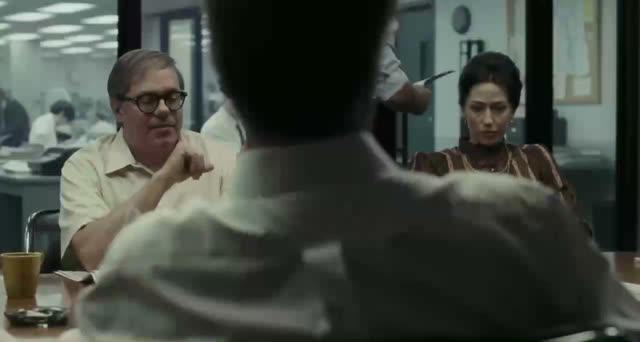 B18 frases · 23s
Ben, come on, it's one story.
La magnitud de la mentiraLos archivos del Pentágono · 2017La entrega rápida y la intensidad creciente la hacen perfecta para practicar el acento rítmico y la progresión emocional.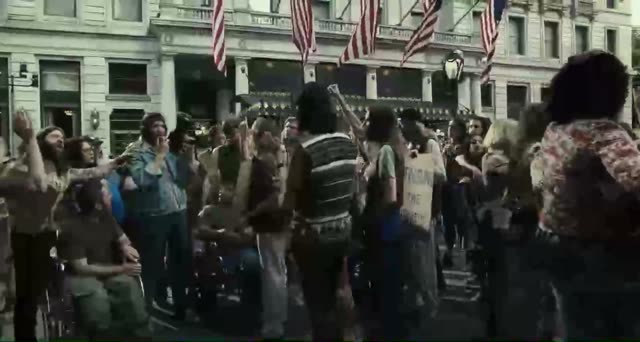 B17 frases · 18s
Like my brother Mario said...
Detengan la máquinaLos archivos del Pentágono · 2017El ritmo de los cánticos y el lenguaje metafórico ofrecen excelentes oportunidades para practicar la cadencia y la intensidad emocional. B110 frases · 21s
Look, in my experience...
El perfil de un filtradorLos archivos del Pentágono · 2017El hablante utiliza un lenguaje rítmico y descriptivo para construir un perfil psicológico, perfecto para practicar la cadencia y el énfasis. B15 frases · 11s
I know we need to get this out, Ben, but I'd like to spend a minute...
La urgencia de la verdadLos archivos del Pentágono · 2017La intensidad creciente y el tono autoritario del hablante ofrecen una excelente práctica rítmica para la escalada emocional. B18 frases · 24s
This means that we're in the goddamn ballgame.
Lo que está en juegoLos archivos del Pentágono · 2017La entrega rápida y la tensión creciente la hacen perfecta para practicar el ritmo y la urgencia. B18 frases · 28s
Good evening. The New York Times late today was barred, at least until Saturday...
Reporte sobre la orden judicial contra el New York TimesLos archivos del Pentágono · 2017La entrega formal y rítmica de un reporte de noticias es excelente para practicar la entonación y la claridad profesional.
Escenas con la misma vibra en cine y YouTube
“The Pentagon has now released a second batch of UFO files. So, what we're going to be doing today is looking through first some of the written documents, then we're going to be watching a lot of videos. All right, let's just jump right in.”
“Pentagon recently released four eyewitness videos as part of its drive to declassify documents and make people care about UFOs again. In fact, it's part of a wider release of 72 files that date all the way back to the 1940s investigations by the CIA and other government agencies.”
“In case you haven't heard, the Pentagon has dropped its fifth batch of UAP files. Now, buried in there were two things worth your time.”
“The Pentagon recently released four eyewitness videos as part of its drive to declassify documents and make people care about UFOs again. In fact, it's part of a wider release of 72 files that date all the way back to the 1940s investigations by the CIA and other government agencies.”