00:00 / 05:00
00:00 / 05:00

Howard Refuses to Buy the Letter, Explained

The Letter · 1940

Capítulo 9 de 15 · 5'00"

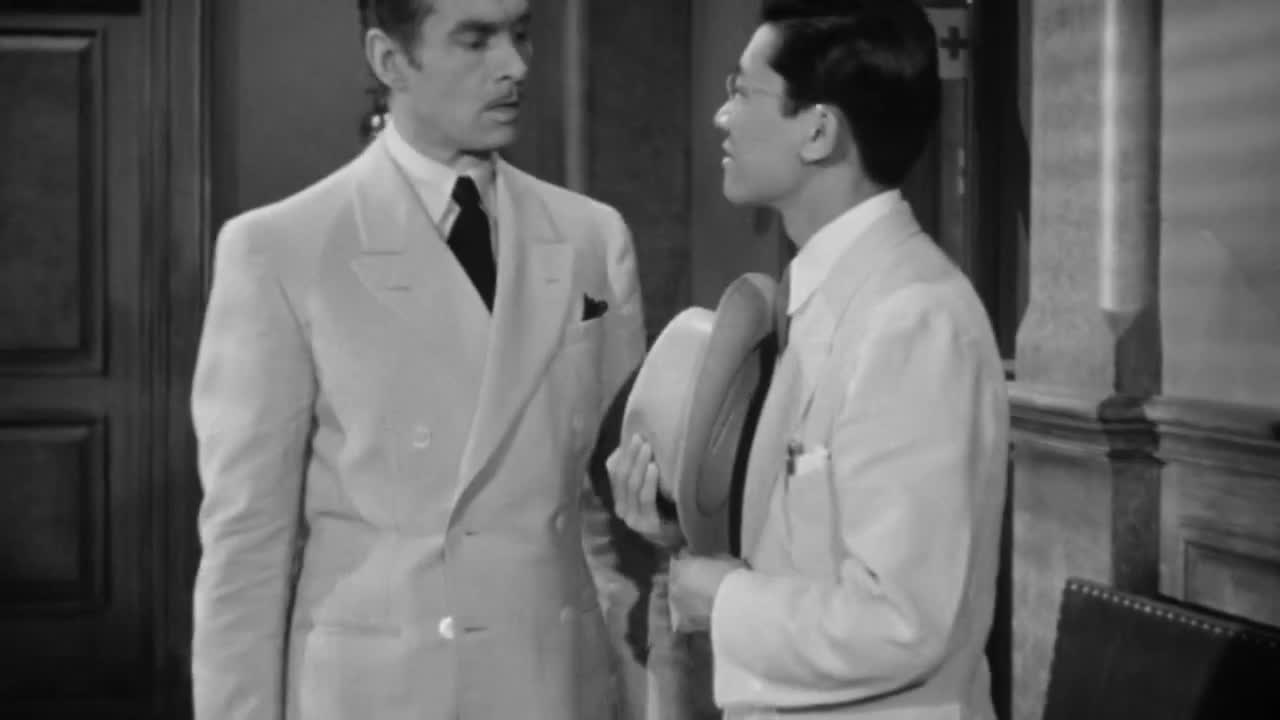
Howard tells Leslie the letter has changed everything: the prosecution can now prove Hammond came at her urgent invitation. Cornered, she asks him to buy the letter from Hammond's widow. He refuses—"You're asking me to do something which is no better than suborning a witness"—then agrees to do what he can.

Asking for helpPersuasionAskingSaying noLawyer & clientB2fastamericanClean

Key moments

Start here, then watch the full scene
  1. Howard Refuses to Bribe for the Letter

    2:04–2:44
    40s
  2. Howard Reflects on Robert's Trust

    4:01–4:58
    57s

Howard Refuses to Buy the Letter, explained

What happens

Howard shows Leslie how much the letter changes the case: the prosecution can prove Hammond was invited, and a jury might doubt self-defence. Leslie faints. Once they are alone she admits she has made a mess of things and asks who holds the letter—Hammond's wife. Then she urges Howard to buy it.

What's really going on

The letter turns a comfortable acquittal into a threat, and Leslie's response is to reach for money. Howard first sets a boundary—"I don't want you to tell me anything but what is needed to save your neck"—then draws his own: buying the letter is "no better than suborning a witness." Leslie presses exactly where she knows it will hurt, asking whether he could save her and simply won't. Howard calls the idea insane, yet the scene ends with him agreeing to "do what I can," planning to keep Robert from ever seeing the letter. The last line is the coldest: "It's strange that a man can live with a woman for 10 years and not know the first thing about her."

Key lines & what they mean

“It's the duty of counsel to defend his client, not to convict her, even in his own mind.”
Howard says a defence lawyer must argue for his client, even when his private doubts point the other way.
“I don't want you to tell me anything but what is needed to save your neck.”
He asks only for what can help her, deliberately leaving the rest of the truth untouched.
“That's neither here nor there, Leslie.”
When she accuses him of distrusting her from the start, Howard waves the point aside as irrelevant.
“Are you going to let them hang me?”
Leslie puts the choice in the starkest terms, pressing Howard to act as if her life were his to save or lose.
“Do you think it's so easy to do away with unwelcome evidence?”
Howard warns that getting rid of the letter is not a simple errand, even if the owner would sell.
“I don't know if you'll understand this, but I've always looked on myself as an honest man.”
He grounds his refusal in self-image: buying the letter would make him something he does not want to be.
“You're asking me to do something which is no better than suborning a witness.”
Howard names the act plainly—paying to remove evidence is, to him, the same as bribing a witness.
“It's strange that a man can live with a woman for 10 years and not know the first thing about her.”
The scene ends on the gap between Robert's trust and the woman Leslie actually is.

Theme

  • Corruption — Buying the letter would be "no better than suborning a witness," so Howard's refusal pits professional honesty against saving his client.
  • Trust — Leslie begs Howard to keep the letter from Robert, insisting that if Robert loses trust in her he loses everything.

Qué aprendes en este capítulo

Puntos de enseñanza

Repasa justo después de ver
Mi nivel1/8

A1–C2 es la escala MCER. Las tarjetas por encima del nivel elegido se atenúan y la reproducción no se pausa en ellas.

The Letter: tu progreso

Capítulo 9 de 15 · quedan unos 21 min

← Anterior
Siguiente · 10go to the devilLa escena: Ong Chi Seng Names His Price

Ideas clave

Lo que te llevas
  1. The favour she asks is named as a crime.
  2. His honesty is exactly what makes the refusal hurt.
  3. A sick woman's collapse breaks the argument open.
  4. Ten years of marriage end in a stranger.

Preguntas frecuentes

La pregunta, luego la frase
Why does Howard refuse to buy the letter?

He says paying to remove evidence would be no better than suborning a witness, and he wants to keep seeing himself as an honest man.

Why does Leslie ask about the money?

She assumes the only obstacle is cost and offers Robert's savings, not realizing Howard's objection is to the act itself.

What does Howard eventually agree to do?

He agrees to "do what I can": he will try to buy the letter and keep Robert from ever seeing it, while still defending her at trial.

Why does Leslie worry about Robert's trust?

She says that if Robert loses his trust in her he loses everything, so she needs the letter hidden to protect him as much as herself.

What does the final line mean?

It points to the distance between Robert's faith in Leslie and the truth about her, which Howard has now seen for himself.