
“it's not that they're not afraid of falling anymore.”
Por qué es buena
A double negative flips the obvious reading of courage into something else.
Registro
Neutral
Úsala tú
It's not that I don't care anymore, I'm just tired.
Capítulo 16 de 17 · 2'22"
Wallace isn't describing a bad mood. "It may be in the old days what was known as a spiritual crisis," he says — the collapse of every axiom he built his life on. The skyscraper metaphor is the point: people don't jump because they stop fearing the fall, but because staying inside becomes worse.
❝ Monólogo · 5 frases Wallace Explains His Spiritual Crisis
Wallace on Not Letting Depression Drive
Late at night in a hotel room on the book tour, David Lipsky is lying awake when David Foster Wallace starts talking. What begins as a quiet question becomes a long, unguarded account of the depression that has followed Wallace for years — and of the American promise that achieving the next thing would finally make him okay.
Wallace has spent the whole interview talking in hedges and jokes; here the guard drops. He rejects the easy explanations — "It wasn't a chemical imbalance, and it wasn't drugs and alcohol" — and points instead at the story he was raised on, that hitting the next milestone would fix everything. That is the American life he calls his real illness. The leap-from-a-burning-building image, lifted from his own book, is his way of saying the pain isn't the fear of falling but the terror of staying. And the closing admission — that he doesn't think people ever change — is not self-pity. He's telling Lipsky that the man doing the interview and the man who can't function are the same person, and that he is still, every day, trying not to let that other self take the wheel.
A1–C2 es la escala MCER. Las tarjetas por encima del nivel elegido se atenúan y la reproducción no se pausa en ellas.
“it's not that they're not afraid of falling anymore.”
A double negative flips the obvious reading of courage into something else.
Neutral
“It may be in the old days what was known as a spiritual crisis...”
He gives private pain an old name, without drama or self-pity.
literary
“Guess I'm trying really hard to find a way not to let them drive.”
Calling his old self the driver ends the monologue with a quiet image.
Informal
“It was much more that I had lived an incredibly American life.”
It turns a private breakdown into a diagnosis of an entire national way of life.
literary
There's a thing in the book about how when somebody leaps from a burning skyscraper, it's not that they're not afraid of falling anymore. It's that the alternative is so awful. And so then you're invited to consider what could be so awful... that leaping to your death would seem like an escape from it.
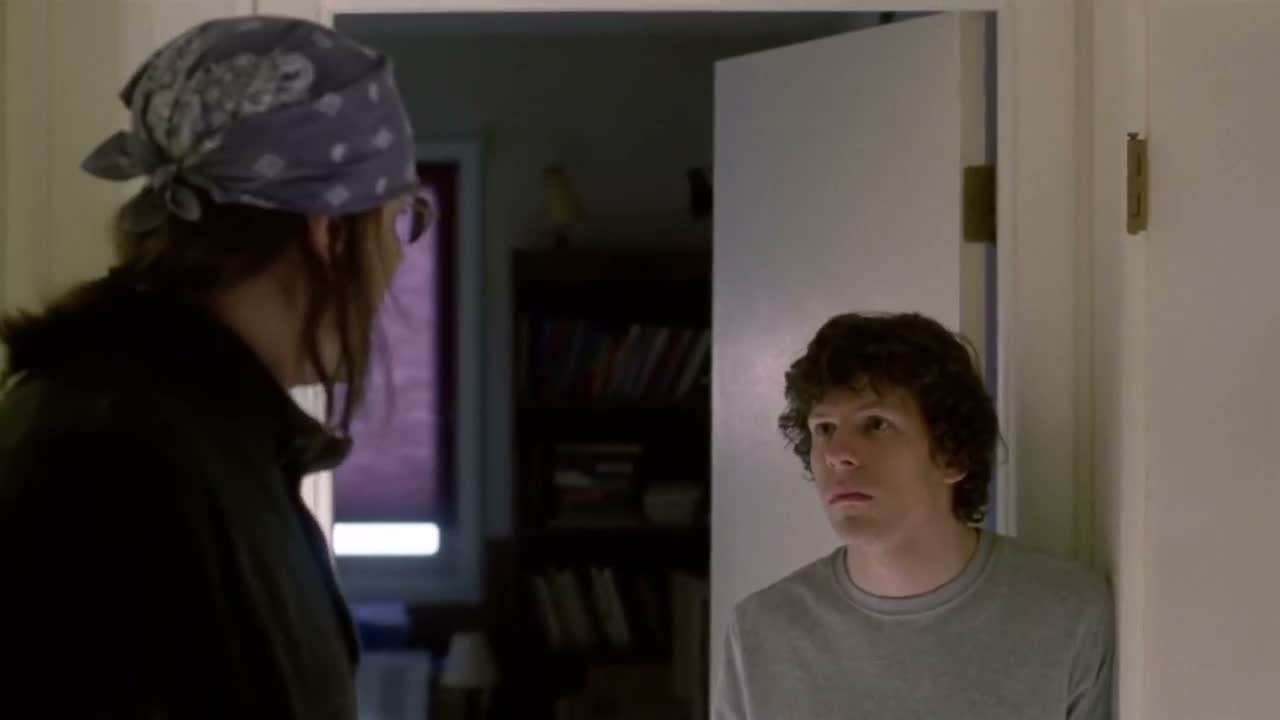 Siguiente · 17put my foot downLa escena: Wallace Dances at a Baptist Church
He traces it to a story he grew up inside — that achieving the next success would fix him. He calls that 'an incredibly American life,' implying the problem is cultural and existential, not purely biological.
It's from his own book: the person isn't unafraid of falling, but staying inside is so much worse. He uses it to show that his despair makes death look like an escape rather than a fear.
An old phrase for when every axiom your life rests on turns out to be false and you feel like nothing — and that you yourself are nothing. He frames his depression as a collapse of belief, not merely a mood.
No — 'I don't think that we ever change.' He says those same parts of him are still there, and all he can do is keep them from running the show.
It's the interviewer's job to listen, and for once there is nothing to ask. The quiet, broken only by short replies, is what makes the confession feel unguarded rather than performed.