
La delgada línea azul: confesar una emoción contenida
So you try to remain passive, emotionless, objective.
· La delgada línea azul (1988)
AUDITION CUE SHEET & SCRIPT
La delgada línea azul (1988)
confesar una emoción contenida
Lines: 13 | Words: 113
Time: 0m 43s
Target Pace: 158 WPM
| # | Time | Dialogue & Cue Beats | Acting Notes / Subtext / Blocking |
|---|---|---|---|
| 1 | 4:16 | I always tried very hard, every judge I know of does... | |
| 2 | 4:20 | to not show emotion on the bench. | |
| 3 | 4:23 | The reason, if you do show emotion... | |
| 4 | 4:26 | the jury might take it that you're favoring one side or another. | |
| 5 | 4:29 | So you try to remain passive, emotionless, objective. | |
| 6 | 4:35 | I do have to admit that in the Adams case... | |
| 7 | 4:37 | and I've never really said this... | |
| 8 | 4:39 | Doug Mulder's final argument was one I'd never heard before. | |
| 9 | 4:43 | About the "thin blue line" of police... | |
| 10 | 4:46 | that separated the public from anarchy. | |
| 11 | 4:48 | I have to concede that there my eyes kind of welled up... | |
| 12 | 4:53 | when I heard that. | |
| 13 | 4:55 | It did get to me emotionally, but I don't think I showed it. |

I always tried very hard, every judge I know of does...
Siempre me he esforzado mucho, como todos los jueces que conozco...
to not show emotion on the bench.
Sin pausas, sigue el ritmo del actor
Espacio reproducir/pausa · ← → frase anterior/siguiente · R repetir
Por qué vale la pena
Un juez acostumbrado a la frialdad reconoce que un alegato lo conmovió. Es una pieza breve, tensa y muy útil para trabajar el control del tono y las pausas.
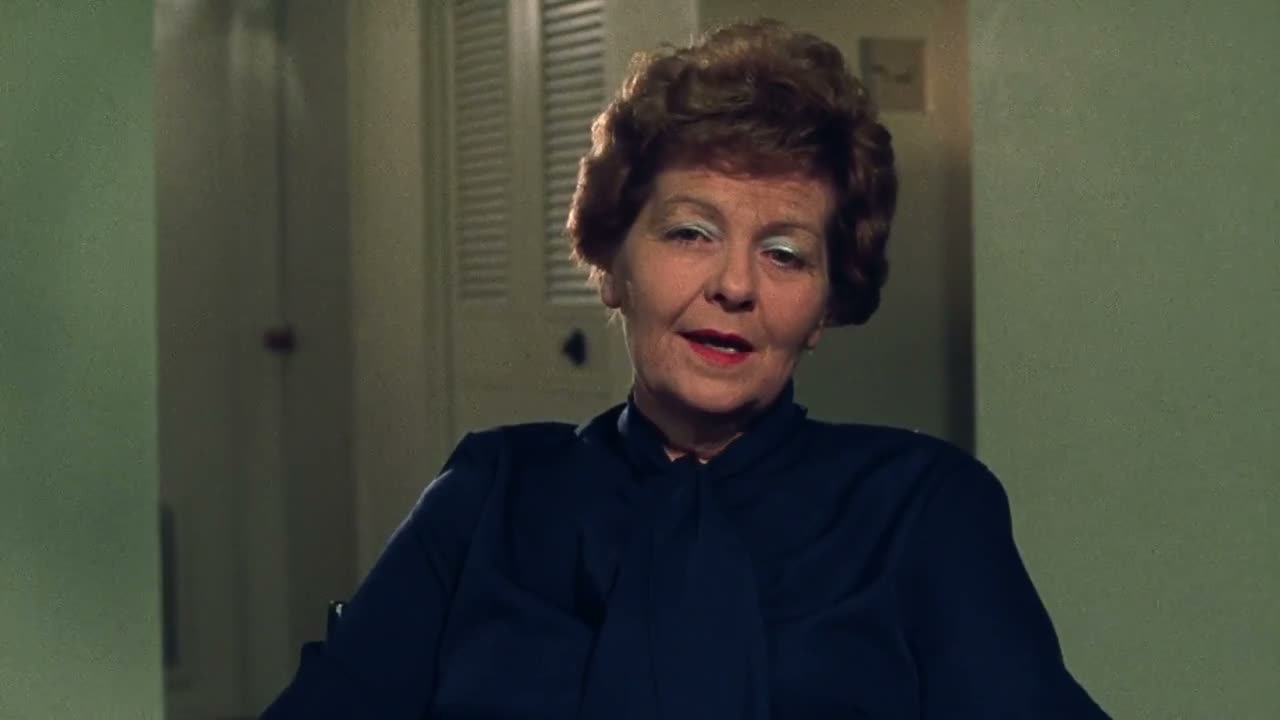
Un juez habla en una entrevista sobre el caso Adams y recuerda el alegato final de Doug Mulder. Su cargo exige imparcialidad, pero ese recuerdo todavía le despierta emoción.
Consejo de práctica
Mantén un ritmo seco al inicio y baja la voz en «I have to concede». En «kind of welled up», duda un instante antes de soltar la frase para que se note la emoción contenida.
Frases de este monólogo
Inicia sesión para guardar monólogos y llevar la cuenta de las frases que has practicado.
Más monólogos de La delgada línea azul
 B125 frases · 1m 43s
I do not like looking down the barrel of a pistol.
negarse a firmar bajo presiónLa delgada línea azul · 1988DesafianteJusticia y venganzaLa tensión crece sin gritos: una confesión sobre la mesa, un arma que aparece y una negativa firme que sostiene toda la escena. Ideal para practicar un tono sereno pero decidido.- B116 frases · 1m 2s
He almost overacted his innocence.
describir la frialdad de un sospechosoLa delgada línea azul · 1988SerenoConfrontaciónLa calma del interrogador choca con la frialdad del sospechoso y crea una tensión seca y perturbadora. Sirve para practicar un ritmo contenido y verbos útiles para describir reacciones.  B239 frases · 2m 54s
Just to warn the man that his lights were off.
cuestionar el procedimiento policialLa delgada línea azul · 1988SombríoJusticia y venganzaLa calma inicial se rompe cuando el relato llega al tiroteo y a la responsabilidad. Sirve para practicar cómo encadenar detalles y marcar una pregunta con peso emocional. B141 frases · 2m 9s
I'm the one that killed him.
relatar una confesión y pruebasLa delgada línea azul · 1988ReflexivoJusticia y venganzaLo cotidiano se vuelve inquietante cuando la confesión se convierte en prueba. Sirve para practicar cómo se encadena una narración con suspenso y detalles concretos.
Más monólogos
 B26 frases · 25s
you are the only ones who can do it
anteponer resultados a los sueñosSplice: Experimento mortal · 2009DecididoPersuasión laboralEl giro es seco y convincente: primero acepta el ideal ajeno y después lo cambia por un objetivo comercial. Sirve para practicar entonación firme y pausas de oficina. B27 frases · 34s
A watched pot never boils
explicar una rareza cuánticaEscape Room · 2019IngeniosoTragicómicoParte de una frase cotidiana y entra en una explicación científica con un toque irónico. Es útil para practicar cómo introducir una idea, hacer una pregunta y mantener el control del tono. B213 frases · 1m 15s
Something is wrong in this country
exigir que se aborde el problemaBowling for Columbine · 2002DecididoDesamor y dueloEl peso de la pérdida se siente desde la primera frase, y el giro hacia la exigencia deja un momento muy potente. Para practicar, conviene observar cómo las pausas y la repetición sostienen la emoción sin perder claridad. B29 frases · 22s
I couldn't believe that I actually... Could represent an innocent man.
dudar de un inocenteEl inocente · 2011VulnerableIdentidad y crecimientoEl giro de la seguridad legal a la duda personal tiene mucha fuerza. Es útil para practicar cómo encadenar frases cortas y cómo dejar caer el final con peso contenido.