
McFarland: motivar a un equipo tras la derrota
What's hard is losing when you know you haven't done enough
· McFarland (2015)
AUDITION CUE SHEET & SCRIPT
McFarland (2015)
motivar a un equipo tras la derrota
Lines: 8 | Words: 70
Time: 0m 22s
Target Pace: 191 WPM
| # | Time | Dialogue & Cue Beats | Acting Notes / Subtext / Blocking |
|---|---|---|---|
| 1 | 0:00 | I'll tell you what's hard, is watching someone pass you on that last hill. | |
| 2 | 0:04 | Just ask Thomas. | |
| 3 | 0:06 | What's hard is losing when you know you haven't done enough. | |
| 4 | 0:09 | All right, we're going to get to the point where when we see a hill, we smile. | |
| 5 | 0:13 | The higher, the better. | |
| 6 | 0:15 | All right. Now we know what we didn't know, right? | |
| 7 | 0:18 | Right? Now we know what we didn't know. | |
| 8 | 0:20 | Today's the beginning. |
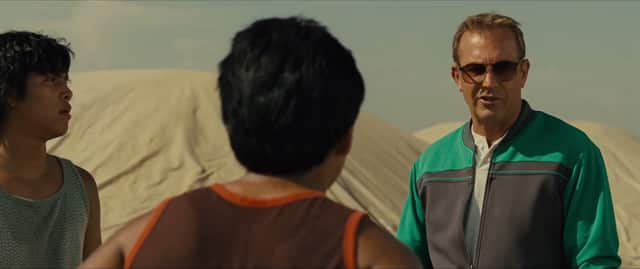
I'll tell you what's hard, is watching someone pass you on that last hill.
Les diré qué es difícil: ver que alguien te rebase en la última colina.
Just ask Thomas.
Sin pausas, sigue el ritmo del actor
Espacio reproducir/pausa · ← → frase anterior/siguiente · R repetir
Por qué vale la pena
La arenga pasa del reproche sincero a un lema optimista sobre las cuestas. La repetición de frases breves permite practicar el cambio de énfasis y la energía ascendente.
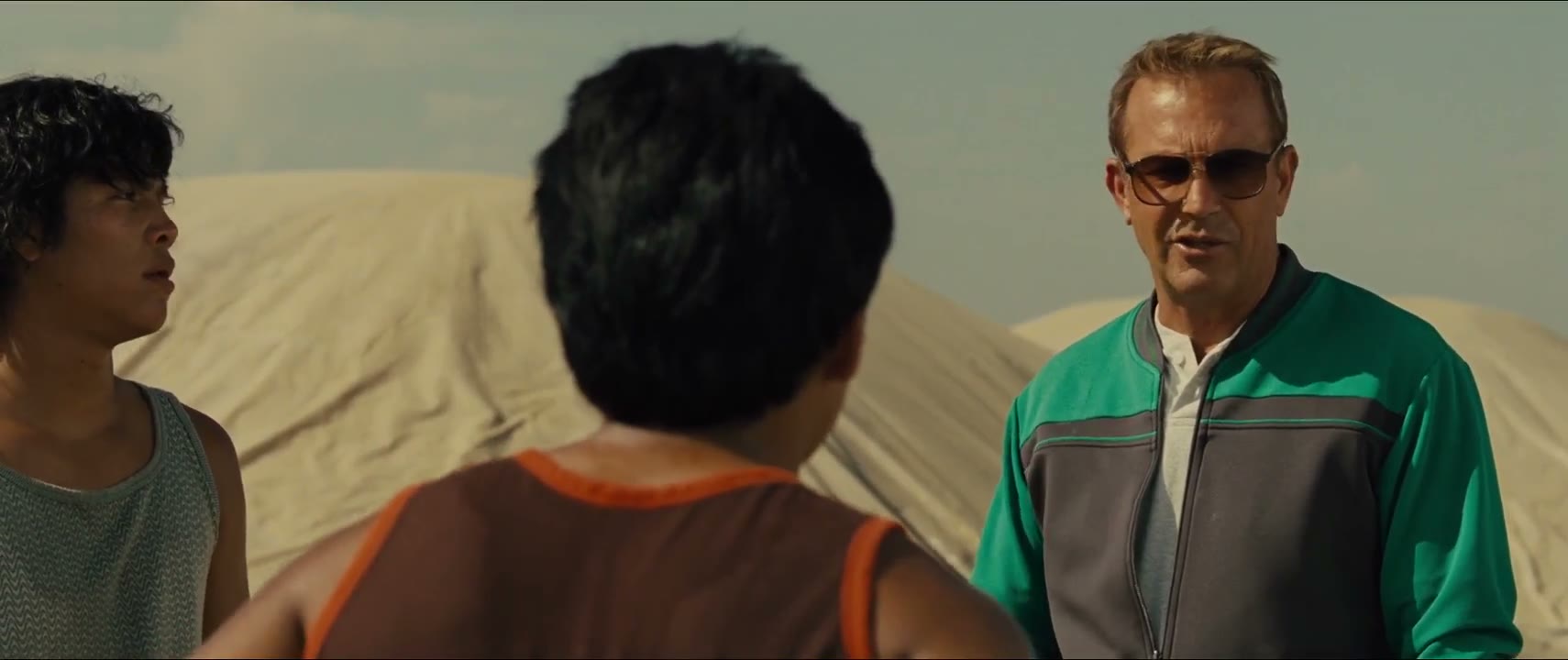
El equipo de campo traviesa acaba de sufrir una derrota dura. El entrenador Jim White les señala su falta de esfuerzo y luego les enseña a mirar las cuestas más difíciles con una sonrisa.
Consejo de práctica
Pronuncia «What's hard» con un tono grave y pausado, y sube el ánimo en «we smile». Cierra «Today's the beginning.» con energía limpia y sin arrastrar la última sílaba.
Frases de este monólogo
Inicia sesión para guardar monólogos y llevar la cuenta de las frases que has practicado.
Más monólogos de McFarland
 B17 frases · 24s
And he got back yesterday and his baby girl is pregnant.
explicar por qué intervinoMcFarland · 2015ReflexivoVínculo familiarEl hablante convierte una noticia difícil en una explicación muy concreta: trabajo incierto, hija embarazada y una reacción descontrolada. Es valioso porque muestra cómo la calma inicial se rompe en una confesión breve y contenida. B19 frases · 35s
there's no chance you'll ever run again.
convencerlo de bajar del puenteMcFarland · 2015IntensoIdentidad y crecimientoEl entrenador suena directo y contenido: reduce la situación a una verdad dura y deja una salida. Sirve para practicar condicionales, pausas y un tono de advertencia firme. B19 frases · 31s
That's food off our table.
rechazar ayuda y defender la familiaMcFarland · 2015DesafianteVínculo familiarLa escena tiene una tensión seca y muy humana: la persona desconfía del entrenador y convierte cada hora de entrenamiento en comida que falta. Sirve para practicar un rechazo firme con matices de cortesía. B112 frases · 38s
My money's on you. Call it, Danny.
animar a resistir el dolorMcFarland · 2015DecididoMotivacionalEl entrenador convierte el miedo de Danny en un reto compartido sin perder dureza. Sirve para practicar el paso de una orden breve a una pregunta que reta y a una muestra de confianza.
Más monólogos
 B26 frases · 25s
you are the only ones who can do it
anteponer resultados a los sueñosSplice: Experimento mortal · 2009DecididoPersuasión laboralEl giro es seco y convincente: primero acepta el ideal ajeno y después lo cambia por un objetivo comercial. Sirve para practicar entonación firme y pausas de oficina. B27 frases · 34s
A watched pot never boils
explicar una rareza cuánticaEscape Room · 2019IngeniosoTragicómicoParte de una frase cotidiana y entra en una explicación científica con un toque irónico. Es útil para practicar cómo introducir una idea, hacer una pregunta y mantener el control del tono. B213 frases · 1m 15s
Something is wrong in this country
exigir que se aborde el problemaBowling for Columbine · 2002DecididoDesamor y dueloEl peso de la pérdida se siente desde la primera frase, y el giro hacia la exigencia deja un momento muy potente. Para practicar, conviene observar cómo las pausas y la repetición sostienen la emoción sin perder claridad. B29 frases · 22s
I couldn't believe that I actually... Could represent an innocent man.
dudar de un inocenteEl inocente · 2011VulnerableIdentidad y crecimientoEl giro de la seguridad legal a la duda personal tiene mucha fuerza. Es útil para practicar cómo encadenar frases cortas y cómo dejar caer el final con peso contenido.