
Food, Inc.: explicar los fallos del sistema
each new step in efficiency leads to problems
· Food, Inc. (2008)
AUDITION CUE SHEET & SCRIPT
Food, Inc. (2008)
explicar los fallos del sistema
Lines: 6 | Words: 92
Time: 0m 29s
Target Pace: 190 WPM
| # | Time | Dialogue & Cue Beats | Acting Notes / Subtext / Blocking |
|---|---|---|---|
| 1 | 0:00 | The industrial food system is always looking for greater efficiency, but each new step in efficiency leads to problems. | |
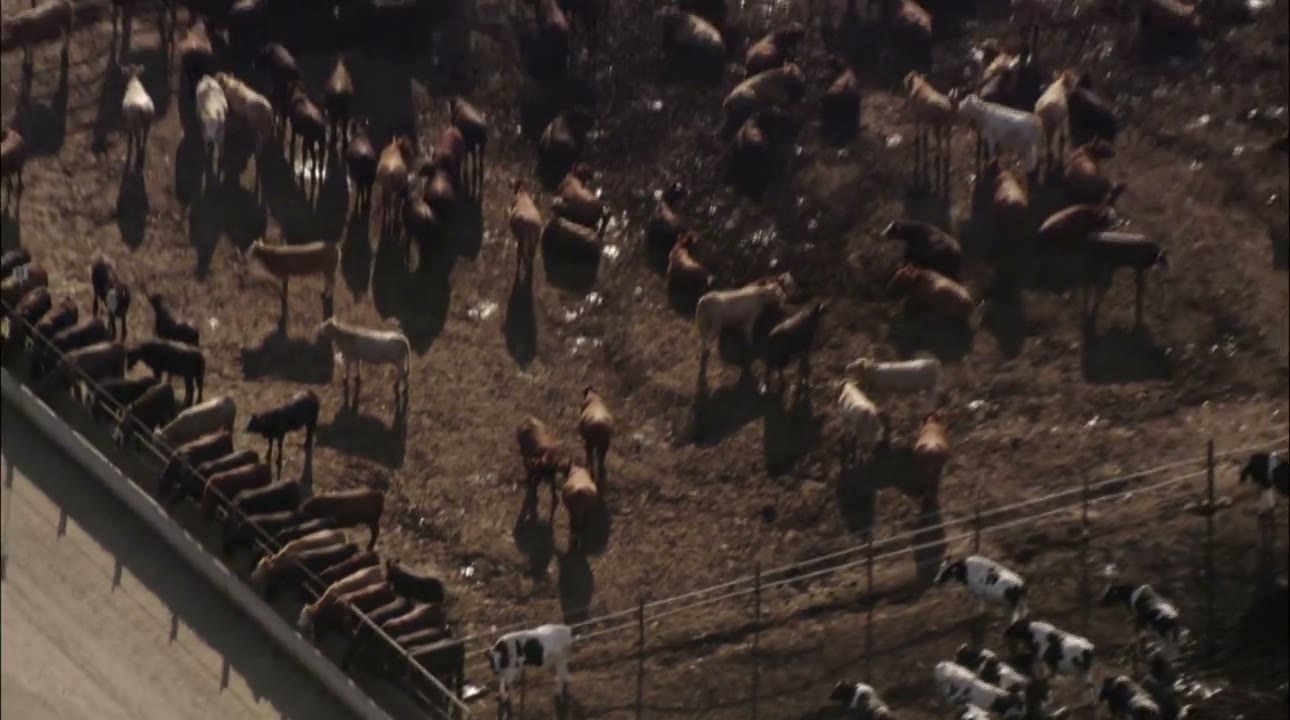
| 2 | 0:08 | If you take feedlot cattle off of their corn diet, | |
| 3 | 0:12 | give them grass for five days, they will shed 80% of the E. coli in their gut. | |
| 4 | 0:16 | But of course that's not what the industry does. | |
| 5 | 0:18 | The industry's approach is-- when it has a systematic problem like that-- is not to go back and see what's wrong with the | |
| 6 | 0:25 | system, it's to come up some high-tech fixes that allow the system to survive. |
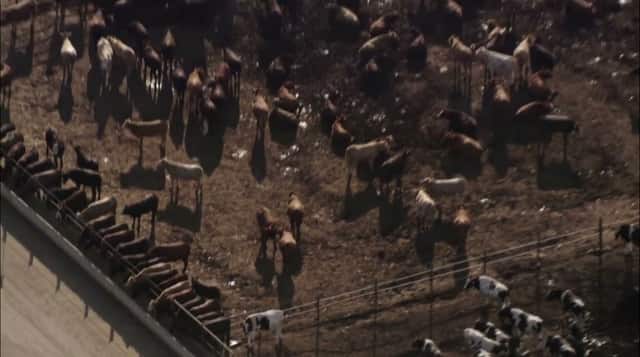
The industrial food system is always looking for greater efficiency, but each new step in efficiency leads to problems.
El sistema alimentario industrial siempre busca una mayor eficiencia, pero cada nuevo paso en la eficiencia conlleva problemas.
If you take feedlot cattle off of their corn diet,
Sin pausas, sigue el ritmo del actor
Espacio reproducir/pausa · ← → frase anterior/siguiente · R repetir
Por qué vale la pena
Una explicación serena que va acumulando evidencia y deja una crítica firme, ideal para practicar un tono analítico en inglés.
El narrador explica cómo la industria alimentaria prefiere soluciones tecnológicas antes que corregir el origen del problema.
Consejo de práctica
Mantén un ritmo constante y haz una pausa antes de "that's not what the industry does" para que la objeción suene tranquila y segura.
Frases de este monólogo
Inicia sesión para guardar monólogos y llevar la cuenta de las frases que has practicado.
Más monólogos de Food, Inc.
 B216 frases · 1m 31s
There is an illusion of diversity.
rastrear el origen de la comidaFood, Inc. · 2008ReflexivoPoder y dineroPollan desmonta la ilusión de variedad del supermercado sin levantar la voz y termina en un campo de maíz de Iowa. Su calma es perfecta para practicar cómo sostener una idea con frases cortas y preguntas. B227 frases · 2m 47s
To watch this beautiful child go from being perfectly healthy to dead in 12 days
denunciar una muerte evitableFood, Inc. · 2008TristeVínculo familiarLa madre relata la muerte de su hijo con una calma que vuelve el relato más devastador. Sirve para practicar una narración contenida, con pausas y cifras que golpean sin subrayados. B214 frases · 1m 27s
Sometimes it does feel like industry was more protected than my son.
exigir responsabilidad a una empresaFood, Inc. · 2008TristeVínculo familiarLa madre de Kevin convierte su pérdida en una denuncia serena pero firme contra la falta de responsabilidad de la industria alimentaria. Es una escena ideal para practicar el paso de la tristeza contenida a la exigencia clara. C18 frases · 1m 10s
hitting the bull's-eye of the wrong target
cuestionar la eficiencia sin éticaFood, Inc. · 2008ReflexivoConfrontaciónEl giro del ejemplo agrícola a la dignidad humana da una tensión muy clara. Sirve para practicar cómo encadenar preguntas retóricas y sostener un tono firme sin gritar.
Más monólogos
 B26 frases · 25s
you are the only ones who can do it
anteponer resultados a los sueñosSplice: Experimento mortal · 2009DecididoPersuasión laboralEl giro es seco y convincente: primero acepta el ideal ajeno y después lo cambia por un objetivo comercial. Sirve para practicar entonación firme y pausas de oficina. B27 frases · 34s
A watched pot never boils
explicar una rareza cuánticaEscape Room · 2019IngeniosoTragicómicoParte de una frase cotidiana y entra en una explicación científica con un toque irónico. Es útil para practicar cómo introducir una idea, hacer una pregunta y mantener el control del tono. B213 frases · 1m 15s
Something is wrong in this country
exigir que se aborde el problemaBowling for Columbine · 2002DecididoDesamor y dueloEl peso de la pérdida se siente desde la primera frase, y el giro hacia la exigencia deja un momento muy potente. Para practicar, conviene observar cómo las pausas y la repetición sostienen la emoción sin perder claridad. B29 frases · 22s
I couldn't believe that I actually... Could represent an innocent man.
dudar de un inocenteEl inocente · 2011VulnerableIdentidad y crecimientoEl giro de la seguridad legal a la duda personal tiene mucha fuerza. Es útil para practicar cómo encadenar frases cortas y cómo dejar caer el final con peso contenido.