00:00 / 04:16
00:00 / 04:16

Minions Can't Keep a Boss, Explained

Minions · 2015

Capítulo 1 de 14 · 4'16"

This opening prologue isn't about one boss. The Minions' whole purpose is to serve "the most despicable master they could find," yet the narrator admits finding one is easy and keeping one is the problem. Their loyalty keeps ending in disaster.

StorytellingMonologuesExplainingBoss & employeeB2slowamericanClean

Key moments

Start here, then watch the full scene
  1. ❝ Monólogo · 5 frases Why Keeping a Boss Is the Real Problem

    0:33–0:58
    25s
  1. ❝ MonólogoLoyalty as a survival law5 frasesPracticar ↗

Minions Can't Keep a Boss, explained

What happens

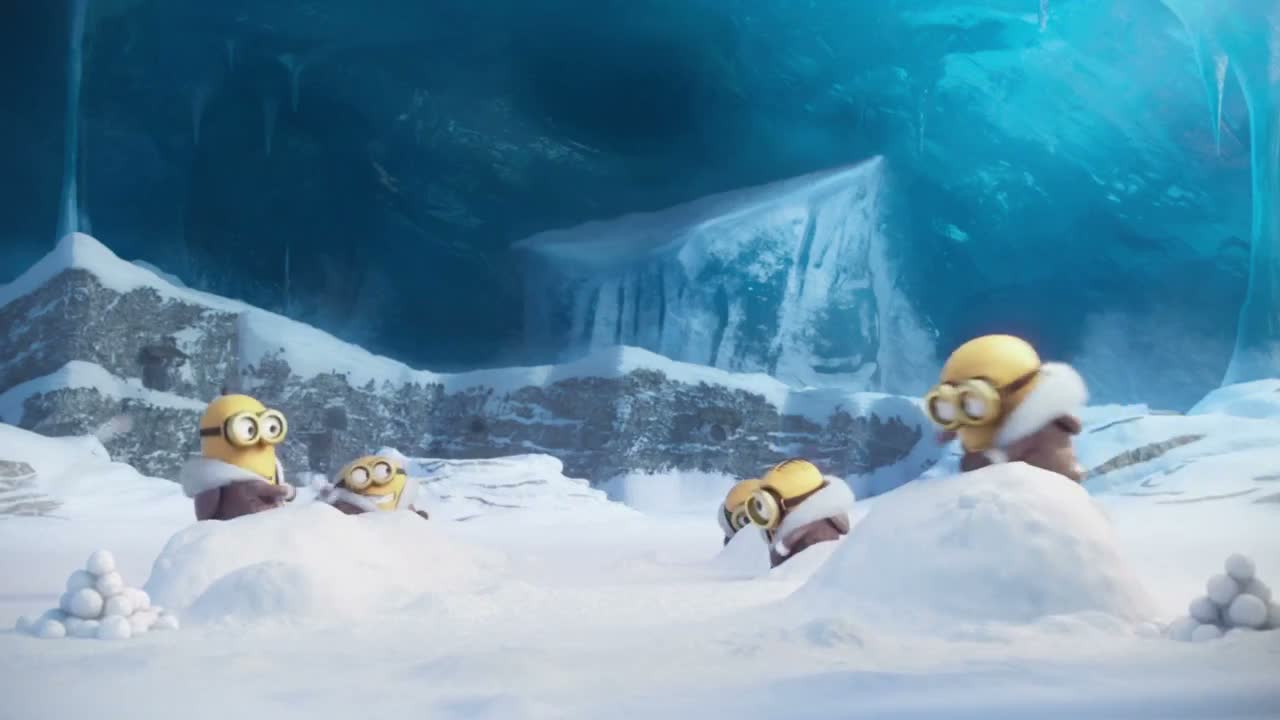
A narrator traces the Minions across prehistory: they existed long before humans and lived only to serve the worst master available. Dinosaurs, cavemen, Egyptians and medieval kings all take a turn. Each boss is found easily enough, then lost, and the tribe is forced to keep moving.

What's really going on

The joke and the theme are the same: the Minions need a master the way other creatures need food. "Making their master happy was the tribe's very reason for existence," the narrator says, and the film plays that need for comedy rather than comfort. Every era gives them a new employer, and every employer meets the same fate, because the Minions' devotion is sincere but catastrophic. The real subject isn't any single villain; it's the pattern of wanting to belong to something powerful and watching it fall. The closing beat makes the point gently: after all the wreckage, safety is just a cave and a chance to start over.

Key lines & what they mean

“Making their master happy was the tribe's very reason for existence.”
Serving a master isn't a job for the Minions; it's the entire point of their species. The line frames blind loyalty as an instinct, not a choice.
“But keeping a boss, therein lies the rub.”
Finding a boss is easy; holding onto one is the real difficulty. "Therein lies the rub" is a Shakespearean way of naming the catch.
“They bounced from one evil boss to another, but they never seemed to find their perfect fit.”
They kept switching villains, never settling. "Their perfect fit" makes the search sound like dating or hiring, which is the joke.
“The Dark Ages were actually fun times.”
The narrator calls a grim historical era "fun" because the Minions partied through it — the gap between history and their experience is the humor.

Theme

  • Duty — The Minions exist to serve a master; loyalty is their only purpose, even when it destroys them.
  • Absurdity — They chase the worst villains in history and ruin every one, turning devotion into slapstick disaster.

Qué aprendes en este capítulo

Puntos de enseñanza

Repasa justo después de ver
Mi nivel0/4

A1–C2 es la escala MCER. Las tarjetas por encima del nivel elegido se atenúan y la reproducción no se pausa en ellas.

Minions: tu progreso

Capítulo 1 de 14 · quedan unos 65 min

Siguiente · 02Truth be toldLa escena: Kevin Volunteers to Find a New Master

Ideas clave

Lo que te llevas
  1. Use therein lies the rub in a comparable exchange.
  2. Listen for the attitude around therein lies the rub.
  3. Notice how the reply changes the scene.

Preguntas frecuentes

La pregunta, luego la frase
Why do the Minions keep serving villains?

Because serving the worst master is their whole reason to exist. The prologue presents it as instinct, not a moral choice, and the comedy comes from how badly it always ends.

Why can't the Minions ever keep a boss?

Their devotion is sincere but disastrous. Every scheme to please a master backfires, so the employer is lost and the tribe has to move on. Finding a boss was never the hard part.

What does "therein lies the rub" mean?

It's an old idiom meaning "that's where the problem is." The narrator uses it to say that finding a boss is easy, but keeping one is the difficulty.

Are the Minions evil?

Not exactly. They are loyal to evil masters and accidentally ruin them, but their motive is simply to belong and please. The film treats that as absurd rather than malicious.