
“My mother had her reasons.”
Por qué es buena
It keeps faith with the missing by refusing to call her act random.
Registro
Neutral
Úsala tú
She had her reasons, even if we don't know them.
Capítulo 9 de 12 · 3'14"
Miss Harrison welcomes her new pupils and tells them what they are for: "You are here to be made into young ladies." The lesson is obedience — how to laugh, walk and speak — and when she speaks to Enola alone, the kindness is just as controlled as the rules.
❝ Monólogo · 19 frases Miss Harrison's Welcome Speech
Enola Holmes is delivered to Miss Harrison's finishing school, where girls are taught to obey. The headmistress lectures them on becoming acceptable wives and responsible mothers, and warns Enola to live up to the Holmes name. Speaking to Enola alone, she recalls being a friend of Eudoria and claims she would never leave a girl to fend for herself.
The scene is an introduction to the film's idea of obedience as a system. Miss Harrison frames the school as kindness — "I want you to live a full and vibrant life" — but every detail is control: the girls are told how to laugh, how to walk, and that a door "will always be kept locked." Her speech to Enola is a warning dressed as care. She says she would never leave a girl "to fend for yourself," which quietly admits that being left alone is the thing these girls fear. When she speaks of Eudoria as "a peculiar little thing" who cared only for her own ideas, she is offering Enola a choice: become respectable, or end up like her mother. The closing promise, "You'll thank me one day," is the classic line of someone certain they know a girl's future better than she does.
A1–C2 es la escala MCER. Las tarjetas por encima del nivel elegido se atenúan y la reproducción no se pausa en ellas.
“My mother had her reasons.”
It keeps faith with the missing by refusing to call her act random.
Neutral
“She never truly cared for anything except her own unusual ideas.”
A single exclusion defines her whole heart.
literary
“We were friends for a while.”
A friendship admitted and quietly filed away.
Neutral
“You'll thank me one day when you're happily married with a pair of strapping boys.”
It promises gratitude in a future that excuses every present cruelty.
Informal
Welcome. Girls. You are here to be made into young ladies. How do we laugh? We laugh politely. You all have the potential but you are untapped [untested grunts]. and most of all untrained. Walk as we show you to. and responsible mothers. And just as we molded them so shall we you. Do you know why I am an educator? It's because I want to make people happy. I want you to live a full and vibrant life. Not with anger and endless questions, but with answers. I would never abandon you and leave you to fend for yourself.
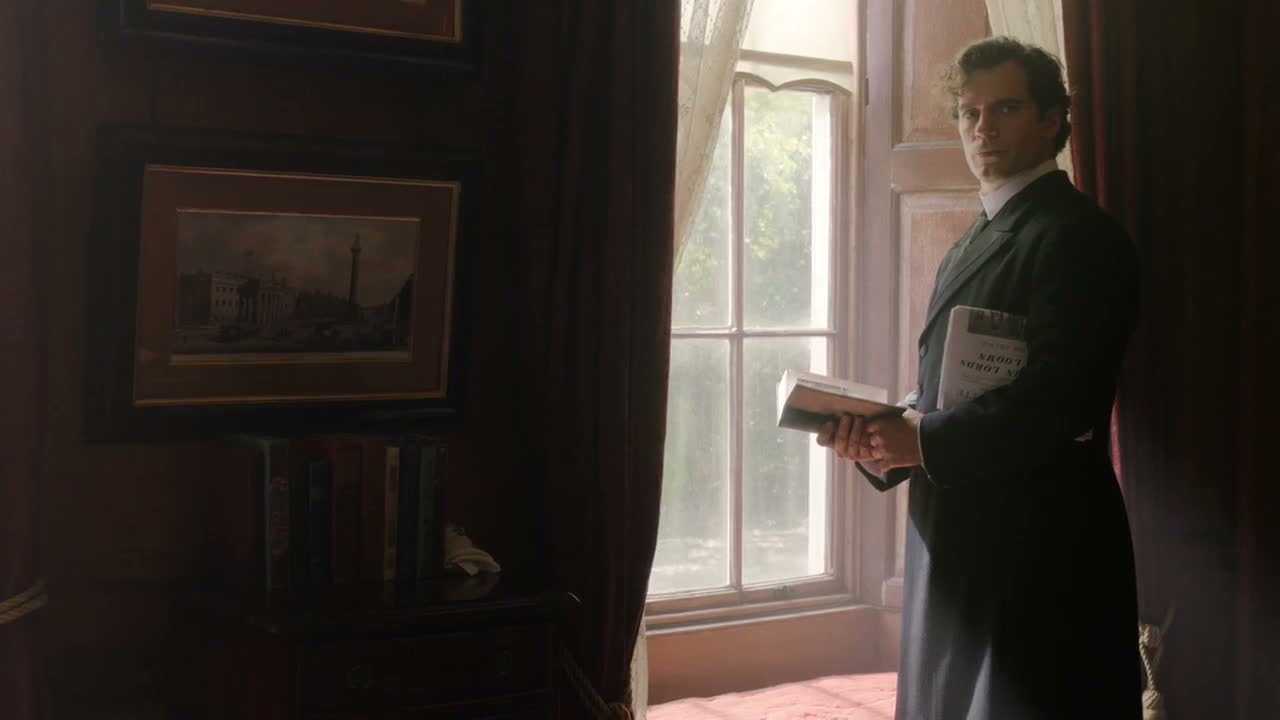 Siguiente · 10pick my brainsLa escena: Sherlock Visits Enola
Mycroft, her guardian, decides she needs to be turned into a proper young lady. The school's whole purpose is to make girls obedient and marriageable.
She wants to warn Enola. By calling Eudoria peculiar and selfish, she suggests that resisting the rules leads to a lonely, disreputable life.
Her manner is soft, but her words are control. She offers care and respectability while locking doors and setting rules, so the kindness is part of the discipline.
They train the girls to be acceptable rather than natural. Laughing politely and walking a certain way are small habits that add up to obedience.