
“Who do you expect, Father Christmas?”
Por qué es buena
The rhetorical question frames a world where nobody hands you anything for free.
Registro
Informal
Úsala tú
Who do you expect, my fairy godmother?
Capítulo 9 de 14 · 3'05"
It starts as a fight about a letter and becomes a fight about who is to blame for the family's money troubles. "When did you write to them?" one demands; the other answers, "None of your business." What looks like a tax mix-up is really two people scared about staying afloat.
The Tax Letter That Cost 572 Pounds
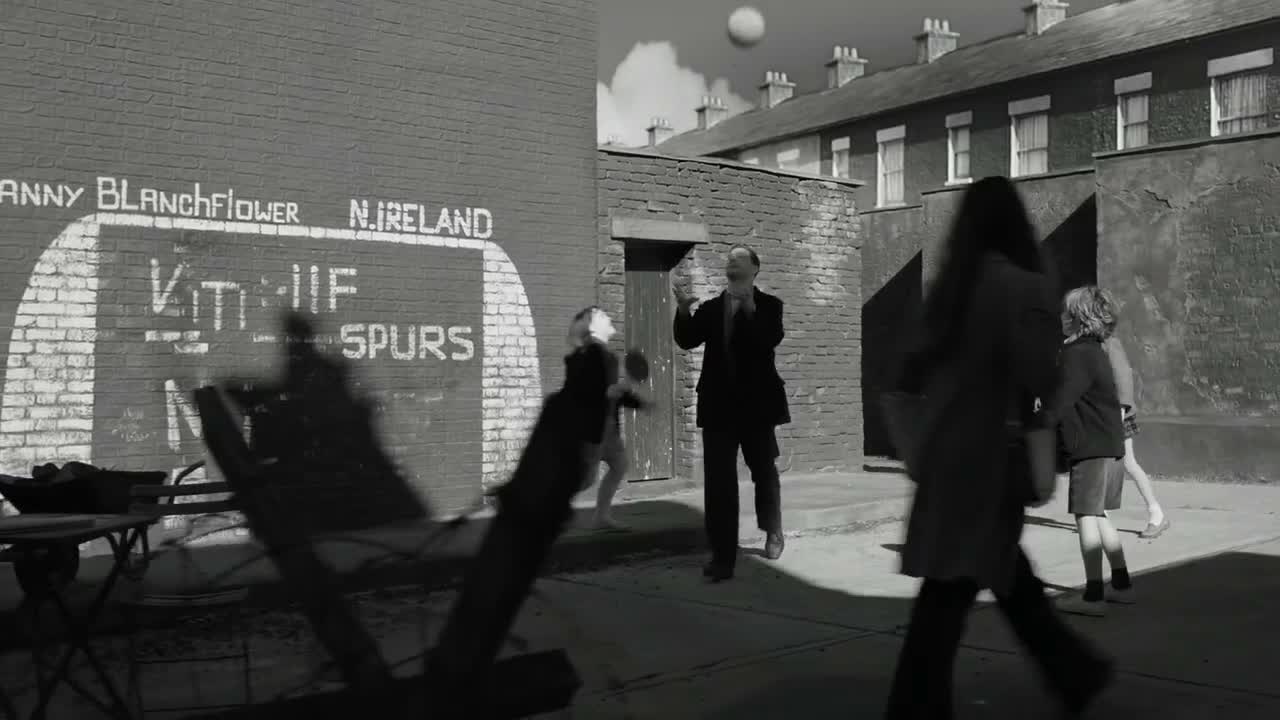
At home, a wife admits she wrote to the tax office about her husband's back taxes, hoping to get his record cleared for good. Instead, the taxman dug further and says he owes another 572 pounds. The argument spills from the letter into the family's plans, money, and whether they can stay in Belfast.
The letter was meant to settle things, but it exposes how little control either of them has. The wife wanted the wording "in the clear" and everything "shipshape and above board," a clean paper trail for the family name. The husband hears it as meddling, and his sarcasm does the real damage: "So it's a handy wee letter you sent, wasn't it?" Underneath the shouting is a couple counting envelopes for three years and realizing the future will be paid off in instalments. The tax office is faceless; the person across the table is not, which is why the scene stings. Money here is not just money, it is whether the family can leave or stay.
A1–C2 es la escala MCER. Las tarjetas por encima del nivel elegido se atenúan y la reproducción no se pausa en ellas.
“Who do you expect, Father Christmas?”
The rhetorical question frames a world where nobody hands you anything for free.
Informal
“You're done. You're in the clear."”
Two short clauses deliver total relief, and in the clear means no debt or suspicion left.
Neutral
“You can say that again.”
A warm echo of agreement that carries more feeling than a plain I agree.
Informal
“So it's a handy wee letter you sent, wasn't it?”
Ironic praise on the last beat: calling the letter handy when it cost them more money.
Informal
 Siguiente · 10bet the houseLa escena: The Family Debates Moving to Australia
The tax office did the recalculating, but the wife's letter is what triggered the deeper look. Both of them know the letter was meant to help, which is why the fight is really about trust, not arithmetic.
Because it did the opposite of what she intended. The phrase is pure sarcasm: the letter he calls handy is the one that landed the family with five more years of payments.
Everything tidy, legal, and open to inspection. It is an old seafaring phrase, and she wanted the tax office to confirm the family's accounts were exactly that.
It is the question hanging over the whole scene. He describes a long job with accommodation offered, and Buddy asks point-blank if they will have to go. Nobody answers him directly.