
“All last summer, Sebastian was famished for blonds.”
Por qué es buena
Hunger becomes the verb for choosing people, turning the dead man into a predator.
Registro
literary
Úsala tú
After a month abroad, we were famished for home cooking.
Capítulo 17 de 27 · 2'14"
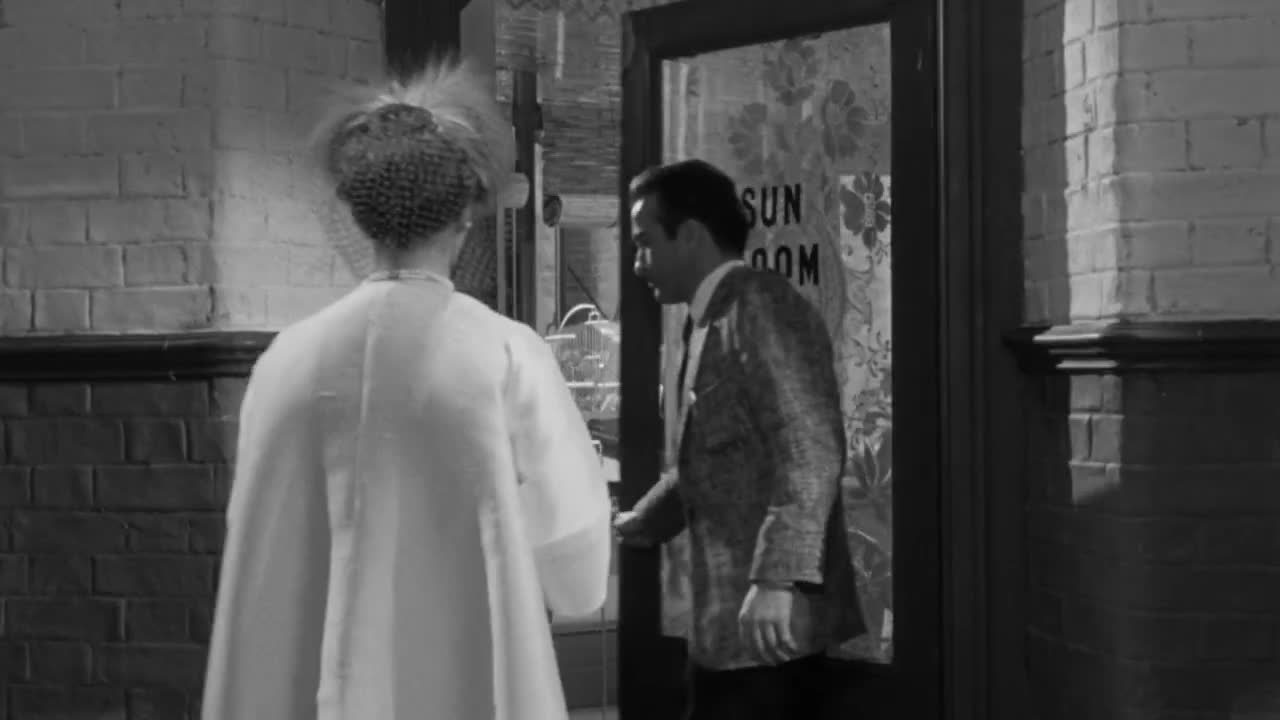
Catherine remembers how Sebastian treated people as food: "Blonds were next on the menu," he was "famished for blonds," and he called her "little bird" as he promised northern lights. She says he never saw them.
❝ Monólogo · 13 frases A menu of people
Reciting a dead man's tastes like a menu makes the calm itself feel cold.
❝ Monólogo · 7 frases The Northern Lights He Never Saw
In her hospital room, Catherine chats with the doctor and then begins to describe Sebastian's appetite: after tiring of 'the dark ones,' he was 'famished for blonds,' and blonds were next on the menu. He spoke of people the way a diner speaks of dishes. He called her 'little bird' and promised to fly north to see the northern lights — which, she notes, he never saw.
Catherine's monologue is quiet and devastating because she keeps using Sebastian's own language. People are not people to him; they are 'on the menu,' either 'appetizing' or not, and blonds are just the next dish after a summer of the dark ones. Her phrase 'All last summer, Sebastian was famished for blonds' turns human beings into food, which is precisely the horror she is describing. Against this ugliness, she sets his tenderness toward her: 'We'll fly north, little bird,' he tells her, promising the aurora borealis. The cruelty of the scene is in the contrast — the same man who calls her little bird also picks out people to consume. The memory ends with loss, not romance: 'He never saw those northern lights.'
A1–C2 es la escala MCER. Las tarjetas por encima del nivel elegido se atenúan y la reproducción no se pausa en ellas.
“All last summer, Sebastian was famished for blonds.”
Hunger becomes the verb for choosing people, turning the dead man into a predator.
literary
“Blonds were next on the menu.”
One calm image reduces people to dishes, and the cruelty lands without a raised voice.
literary
“I've never seen the aurora borealis.”
One casual line about never seeing it quietly closes a whole promised journey.
Neutral
“We'll fly north, little bird.”
A whispered promise of escape, sweet on the surface and doomed underneath.
literary
All last summer, Sebastian was famished for blonds. Fed up with the dark ones. Famished for blonds. The travel brochures he picked up... ...were advertisements of blond northern countries. Think he'd already booked us to Stockholm and Copenhagen. Fed up with the dark ones, famished for the light ones. That's the way he talked about people, as if they were... ...items on a menu. That one's delicious-looking. That one's appetizing. Or that one is not appetizing. I think really he was half-starved... ...from living on pills and salads.
We'll fly north, little bird. It's what he called me sometimes. Little bird. We'll walk under those radiant, cold northern lights. I've never seen the aurora borealis. Well... He never saw those northern lights.
 Siguiente · 18taken a vowLa escena: Violet Shows the Death Certificate
She means Sebastian treated people as dishes to choose from. After tiring of 'the dark ones,' he wanted blonds, so they became the next item on his list.
He was both suffocatingly close and predatory: he called her 'little bird' and promised her the northern lights, yet he saw people as things to consume.
He had promised to take her north to see the aurora borealis. She notes that 'he never saw those northern lights,' foreshadowing his death on that last trip.
The trip he was planning toward the north ends in his death, which Catherine alludes to when she says he never saw the northern lights he promised her.