
“You know, these are the limits of your life, man.”
Por qué es buena
It shrinks a man's whole world to a parking gate in one breath.
Registro
Informal
Úsala tú
You think this tiny desk makes you a manager? These are the limits of your life.
Capítulo 12 de 16 · 3'19"
Two strangers collide over a parking space: a driver who's changed his mind and an attendant just doing his job. "These are the limits of your life," the driver sneers, turning a petty parking dispute into a verdict on the other man's entire existence.
❝ Monólogo · 6 frases The Limits of Your Life
At the airport parking lot, a driver who has decided not to stay picks a fight with the attendant over a few dollars, then leaves with a parting insult. Later, officer Marge Gunderson works the kidnapping case from the other end: she questions a man about a phone call, then visits Jerry Lundegaard's dealership to ask if any new cars have gone missing.
The parking scene isn't really about parking. The driver has already made his decision; he stays only long enough to humiliate the man in the booth, and his line "these are the limits of your life" is less an argument than a need to feel powerful over someone with no power to answer. It's the same instinct that runs through the whole case: people with something to hide pushing around people who can't push back. Marge works the opposite way. She opens with "It's just hard for me to believe you don't remember anyone calling," and follows it with a quiet threat — "associating with criminals" could be "a violation of your parole" that would "end you up back in Stillwater." Then, at the dealership, she keeps it friendly and asks about a missing car. She never raises her voice, and that's exactly why Jerry starts lying.
A1–C2 es la escala MCER. Las tarjetas por encima del nivel elegido se atenúan y la reproducción no se pausa en ellas.
“You know, these are the limits of your life, man.”
It shrinks a man's whole world to a parking gate in one breath.
Informal
“It's just hard for me to believe you don't remember anyone calling.”
She never raises her voice, yet the disbelief puts him on the spot.
Neutral
“Would end you up back in Stillwater.”
A single place name carries the whole threat of prison.
Neutral
“I guess you think you're, you know, like an authority figure.”
A mocking guess cuts a parking attendant's small authority down to size.
Informal
I guess you think you're, you know, like an authority figure. That stupid fucking uniform, buddy? King clip-on tie there. Big fucking man? You know, these are the limits of your life, man. Ruler of your little fucking gate here.
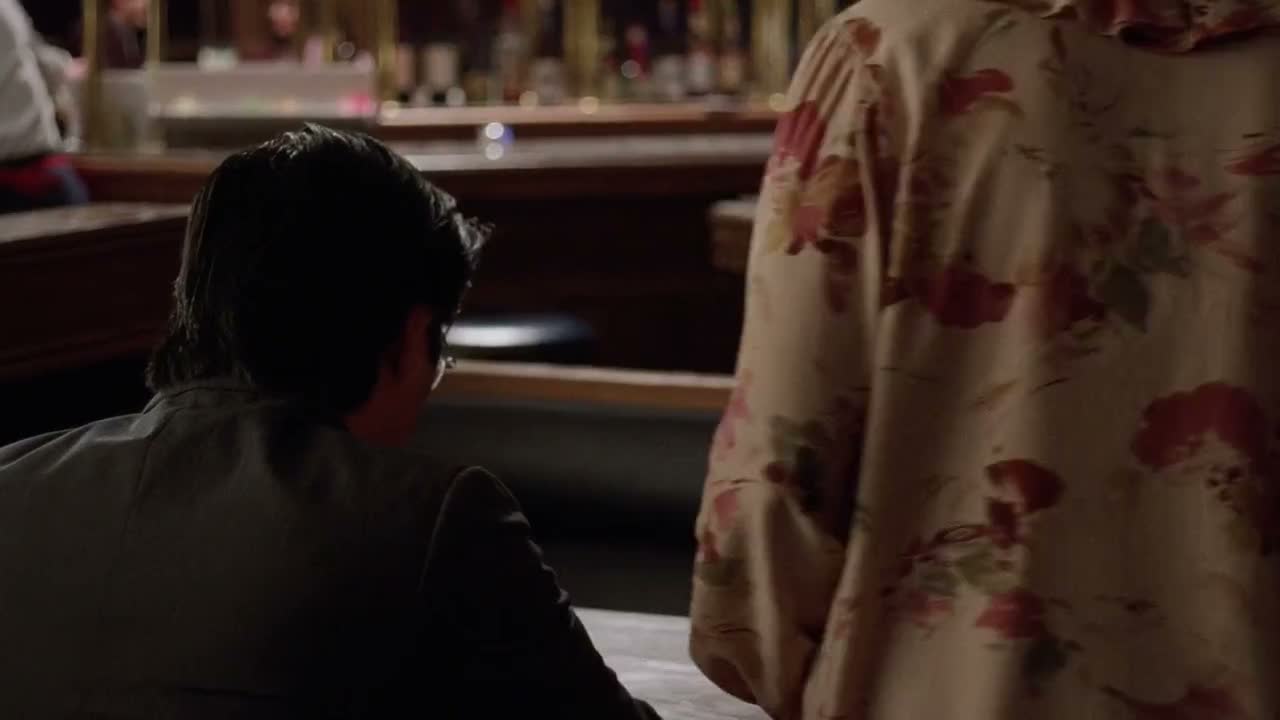 Siguiente · 13went andLa escena: Marge Meets Mike Yanagita
He's already decided not to park, so the argument is pointless. Insulting the attendant is about feeling powerful over someone who can't fight back, not about the parking.
No. He says he just pulled in and decided not to stay, and the argument never reaches a solution — he delivers his insult and leaves.
She's looking for a stolen car tied to the kidnapping. She asks, politely, whether any new vehicles have gone missing from the lot in the past couple of weeks.
To pressure him without threatening directly. If he took a call from the criminals, associating with them would break his parole and could send him back to prison.