00:00 / 03:38
00:00 / 03:38

Mike's Panic Attack on a Run, Explained

Win Win · 2011

Capítulo 4 de 19 · 3'38"

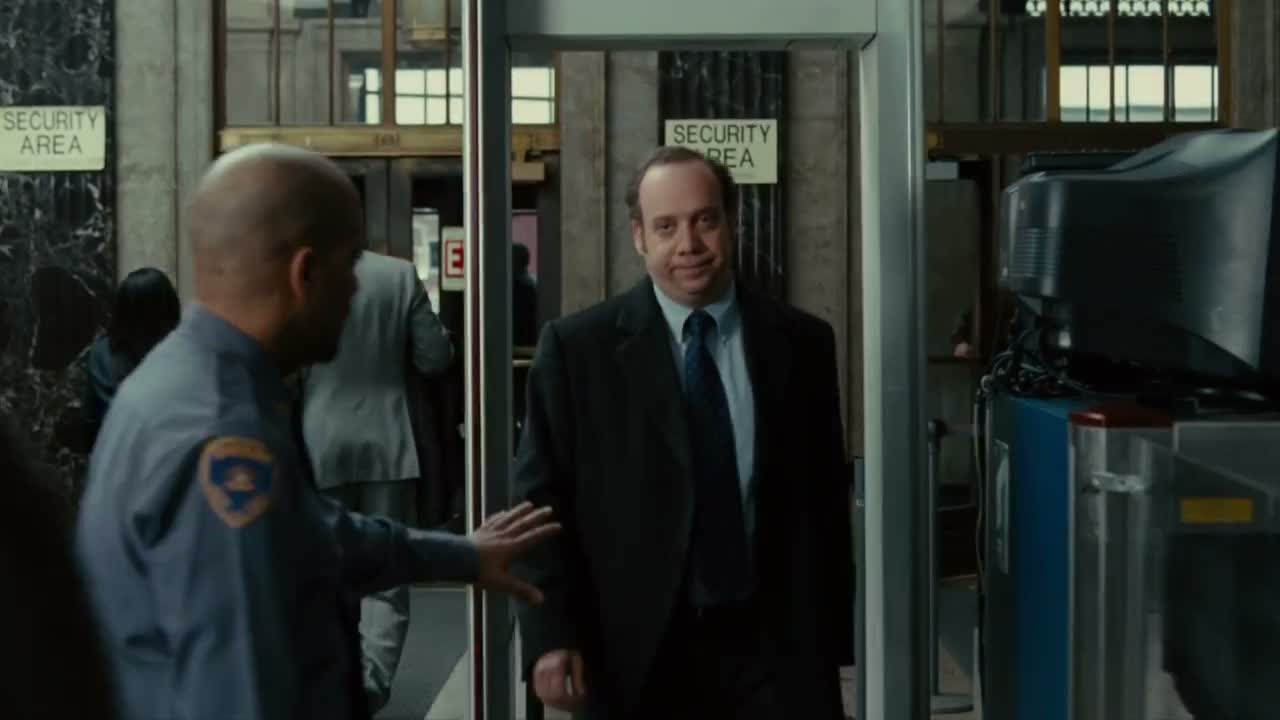
A friendly morning jog turns frightening: one man suddenly can't catch his breath, and his friend, convinced it's a heart attack, starts to call for help. "I can't breathe," he keeps saying, while refusing to make a big deal of it — even though it's really his money and work stress boiling over.

Comforting a friendConfessingComfortingFriendsB2mediumamerican

Key moments

Start here, then watch the full scene
  1. The Jog Turns Into a Health Scare

    1:30–2:14
    44s

Mike's Panic Attack on a Run, explained

What happens

Two friends are out for a morning run when one of them — a stressed lawyer — suddenly stops, gasping for air. The other panics, asks if it's a heart attack, and nearly calls someone. Once it passes, the two talk honestly about money, work, and how bad things have really gotten.

What's really going on

On the surface this is a health scare, but the real subject is what the body does when a man won't admit how trapped he feels. The gasping, the refusal to lie down, the repeated "I can't breathe" — all of it points to stress he can't outrun. When the friend asks, "What are you stressed about?", the answer is blunt: "Just work, money, everything." The jogging was prescribed by a doctor, which makes the irony sharper — the very thing meant to calm him is where the breakdown happens. The scene also sets up a secret: he hasn't told his wife, and he doesn't want to "freak her out." That withheld truth hangs over everything that follows.

Key lines & what they mean

“Maybe you should move back to the city. Get a new job. Shake things up a little bit.”
Friendly advice to change everything at once — move, switch jobs, break out of a rut — rather than keep grinding in the same stuck life.
“The guy's an animal. He prints money.”
A half-envious description of someone who makes money effortlessly, as if he could just print it.
“That scared the shit out of me. What are you stressed about?”
A blunt reaction after the scare, immediately turning to the real question: what's actually causing this.
“I've tried everything. I have no idea what to do, Terry.”
An admission of total helplessness — every option exhausted, no plan left.
“What am I gonna do, bartend? I'm a lawyer, Terry. I practice the law.”
A proud refusal of any lesser job; his identity is tied to being a lawyer, even with the practice failing.
“I'm not some fricking scumbag. I help out old people for chrissake.”
He defends himself against the idea that he's a bad guy, pointing to the old people he actually helps.

Theme

  • Money — The whole panic traces back to finances — a failing law practice, no clear way to earn, and a friend who "prints money."
  • Secrets — He hides the crisis from his wife because he doesn't want to scare her, and that secret colors the rest of the film.

Qué aprendes en este capítulo

Puntos de enseñanza

Repasa justo después de ver
Mi nivel0/4

A1–C2 es la escala MCER. Las tarjetas por encima del nivel elegido se atenúan y la reproducción no se pausa en ellas.

Win Win: tu progreso

Capítulo 4 de 19 · quedan unos 36 min

← Anterior
Siguiente · 05spread too thinLa escena: Mike Volunteers as Leo's Guardian

Ideas clave

Lo que te llevas
  1. Use hold up to make someone stop
  2. Freak someone out means scare them badly
  3. Come up with a new strategy
  4. Hear I can't breathe as real panic
  5. Catch sarcastic thanks for the update

Preguntas frecuentes

La pregunta, luego la frase
Is Mike actually having a heart attack?

No. He insists he isn't, and later says the doctor blamed stress. But his friend can't be sure in the moment, which is why he tries to get him to lie down and squeeze his hand.

Why does Mike keep the panic attack a secret from his wife?

He says he doesn't want to "freak her out." Facing a failing practice and money trouble, he'd rather carry the worry alone than scare the family — a choice that shapes the rest of the film.

What does "prints money" mean here?

It's an idiom for someone who makes money with almost no effort — as if they could print it. Here it describes the friend Finley, whose success makes the speaker's own struggles sting more.

Who is Finley, and why is he mentioned?

He's an old contact starting a new fund. The speaker is waiting on a job with him, which shows both his hope and his frustration at relying on someone else's success.

Does Terry agree that things are really that bad?

He pushes back gently at first — asking if it's that bad — but takes the answer seriously and starts suggesting changes, from moving to a new job.