00:00 / 04:17
00:00 / 04:17

Chad and Dale Talk It Out, Explained

Tucker and Dale vs. Evil · 2010

Capítulo 16 de 19 · 4'17"

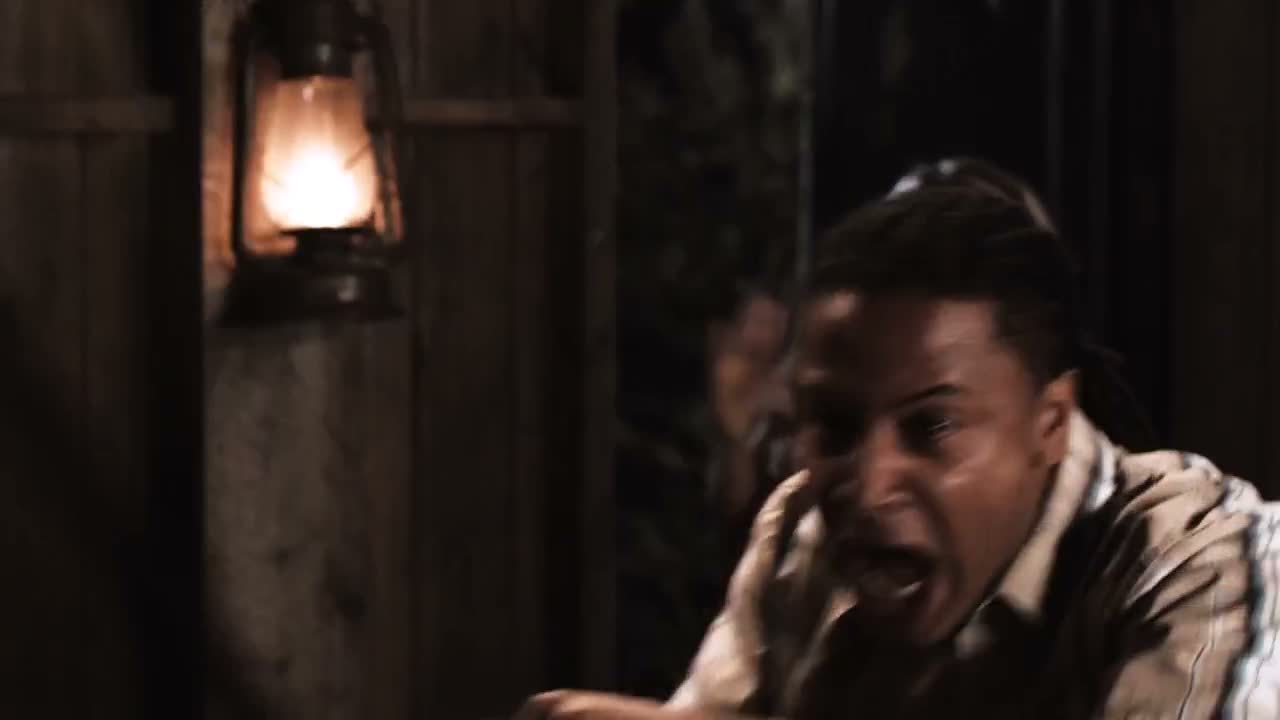
The group stages a mediation, with each man asked to tell his side and see the other's point of view. Chad tells the story of his parents being killed by hillbillies, and Dale insists he had nothing to do with it: "It may not have been you, but it was definitely your kind."

ArgumentsApologiesApologizingExplainingStrangersB2slowamerican

Key moments

Start here, then watch the full scene
  1. ❝ Monólogo · 16 frases Chad Tells His Story

    0:02–1:02
    60s
  2. Dale Defends Himself

    3:27–4:11
    44s
  1. ❝ MonólogoChad's family story16 frasesPracticar ↗

Chad and Dale Talk It Out, explained

What happens

In a staged mediation, Chad and Dale are each asked to explain their side. Chad describes how his parents were attacked by hillbillies in the Memorial Day Massacre, and Dale apologizes for the loss while insisting he was not involved. The session is briefly declared a success.

What's really going on

This is the film's central idea performed as a joke. The mediation format assumes two sides can talk it out, but Chad has no interest in understanding anyone; he uses his family's tragedy as proof that Dale is guilty by category, telling him, "It may not have been you, but it was definitely your kind." Dale, who cannot even kill a fish, is asked to defend his entire existence, and the only argument he can make is that he is harmless. The scene is funny because the therapy language is absurd in a siege, and it is bleak because the mediation cannot touch the real problem: a prejudice that has already decided the verdict. The cheerful note that they are making good progress lands as a punchline.

Key lines & what they mean

“and as you're listening to the other person, I want you to see yourself in their shoes.”
The mediation rule, asking each side to imagine the other's position before judging.
“They brutally murdered everyone. Just for fun.”
Chad's account of the massacre, told to make his fear of hillbillies sound justified.
“- But you don't even have a gun. - Damn it, woman! Don't argue with me!”
The impatient exchange that interrupts the mediation, showing how little patience anyone really has.
“I am really sorry that your family got massacred.”
Dale's sincere sympathy, offered before he has to defend himself.
“It may not have been you, but it was definitely your kind.”
Chad's refusal to separate the individual from the group, the core of his prejudice.
“My kind? Now, hey, I can't even hurt a fish, can I, Tucker? I can't even hurt fish.”
Dale's defence, both comic and pathetic: the gentlest possible proof of innocence.

Theme

  • Identity — Dale is judged as a category rather than a person, forced to prove he is not what Chad assumes.
  • Justice — A tragedy is used as evidence against the wrong man, showing how grief can harden into prejudice.

Qué aprendes en este capítulo

Puntos de enseñanza

Repasa justo después de ver
Mi nivel5/7

A1–C2 es la escala MCER. Las tarjetas por encima del nivel elegido se atenúan y la reproducción no se pausa en ellas.

Tucker and Dale vs. Evil: tu progreso

Capítulo 16 de 19 · quedan unos 9 min

← Anterior
Siguiente · 17stop, drop, and rollLa escena: Dale Catches Fire and Escapes

Ideas clave

Lo que te llevas
  1. Mediation language can be weaponized as easily as used.
  2. The fish line shows innocence argued with comedy.
  3. Your kind turns one person's act into a group's guilt.
  4. Allison hears progress while danger gathers outside.

Preguntas frecuentes

La pregunta, luego la frase
What is the mediation supposed to do?

It is meant to let each side tell their story and understand the other's point of view, so that the conflict can be talked through instead of fought out.

Why does Chad refuse to accept Dale's apology?

Chad is not interested in Dale as an individual. He blames Dale's whole group for his family's death, so an apology from one man changes nothing for him.

Why does Dale say he cannot hurt a fish?

It is his only defence: he is too gentle to hurt anyone. The line is funny because it is such a small, helpless argument against being called a killer.

What does 'see yourself in their shoes' mean?

It means imagining yourself in another person's position. The mediator asks each man to try it, though the session quickly shows that neither of them really will.