00:00 / 04:20
00:00 / 04:20

The Arrowhead Project Revealed, Explained

The Mist · 2007

Capítulo 10 de 11 · 4'20"

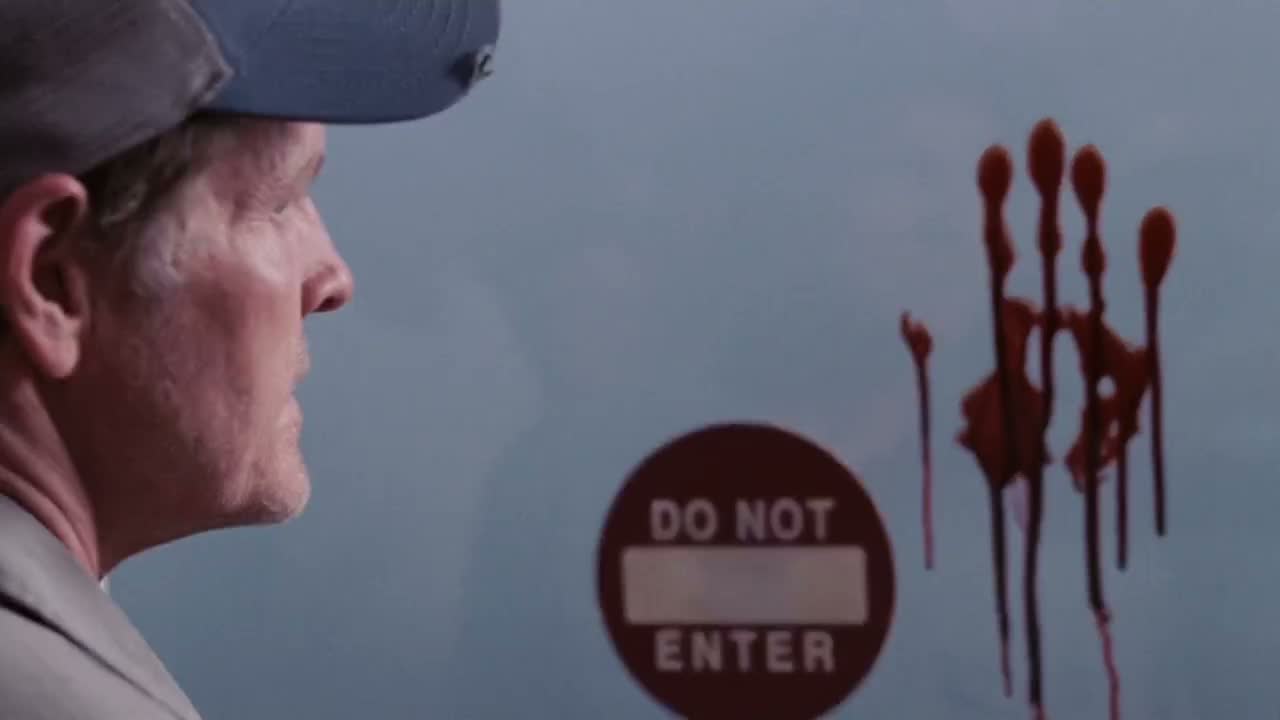
The survivors finally learn what the military was doing at the Arrowhead Project, and the answer is worse than the mist. As one voice insists "we are being punished," the crowd stops searching for a way out and starts searching for someone to blame. The truth does not calm them; it gives the panic a target.

AccusationsThreatsConfrontingThreateningB2americanClean

Key moments

Start here, then watch the full scene
  1. The Window Was a Door

    1:26–1:47
    21s
  2. No One Will Admit It

    2:07–2:40
    33s
  3. The Crowd Calls for Blood

    3:24–4:10
    47s

The Arrowhead Project Revealed, explained

What happens

Trapped in the supermarket, the survivors demand answers, and the truth about the Arrowhead Project finally comes out: the military tore a hole into another dimension, and something came through. Instead of giving them a plan, the revelation gives the frightened crowd a culprit. Talk turns to punishment, and David watches a room decide it needs someone to pay.

What's really going on

The mist was always a mystery, but the truth is more dangerous than the mystery, because it names a cause. Once people hear what the military did, the question stops being how do we survive and becomes whose fault is this. That is the turn the chapter is built around. One voice insists "They spit in the eye of the almighty", making the disaster a punishment; another just shrugs that nothing is ever anybody's fault. Both moves hand the problem to someone else. The trouble with that thinking is that knowing the cause solves nothing — the survivors still need supplies, shelter, and a way out. What the revelation actually does is give a frightened group permission to "point the finger" at its own members, which is far more frightening than the creatures outside.

Key lines & what they mean

“Well maybe your window turned out to be a door didn t it”
A jab at someone who was sure the threat at the window was harmless: the small opening he dismissed turned out to be a way in.
“Ain t nothing ever anybody s fault”
A cynical line about a world where no one will own up to anything; here it mocks how people dodge blame even in a disaster.
“We are being punished For what”
One voice declares the disaster a divine punishment, and another immediately asks what crime could possibly deserve it.
“They spit in the eye of the almighty”
The preacher's charge: humanity mocked God with its experiments, and the mist is the answer.

Theme

  • Guilt — The truth turns fear into blame, and the crowd needs a sinner more than it needs a solution.
  • Faith — Mrs. Carmody reads the disaster as divine punishment, and her certainty gives the panic a shape.

Qué aprendes en este capítulo

Puntos de enseñanza

Repasa justo después de ver
Mi nivel1/4

A1–C2 es la escala MCER. Las tarjetas por encima del nivel elegido se atenúan y la reproducción no se pausa en ellas.

The Mist: tu progreso

Capítulo 10 de 11 · quedan unos 6 min

← Anterior
Siguiente · 11wait and seeLa escena: David Promises Billy He'll Never Leave

Ideas clave

Lo que te llevas
  1. Notice how "messing with" changes the exchange.
  2. Listen for the attitude carried by "messing with".
  3. Try the phrase in a comparable conversation.

Preguntas frecuentes

La pregunta, luego la frase
Why does the crowd turn on its own people after learning the truth?

Because the truth gives them a target. A cause they can name is easier to act on than an enemy they cannot see, even if the target is innocent.

What was the Arrowhead Project actually doing?

It was a military experiment that opened a doorway into another dimension. The soldiers did not understand what they were dealing with, and the mist is what came through.

What does it mean that someone should be strung up?

It means a lynching without trial. The phrase captures how fast the crowd moves from fear to a demand for blood, skipping any question of guilt.

Is Mrs. Carmody's punishment theory ever confirmed?

The film never confirms it. What it shows is that the theory works as a tool: it explains nothing, but it hands a frightened crowd someone to punish.