
“They asked me to wear a wire.”
Por qué es buena
A flat report that puts betrayal on the table without ever raising its voice.
Registro
Neutral
Úsala tú
They asked me to sign the whole thing over.
Capítulo 9 de 14 · 3'02"
Alan calls Lee in for a favor that turns into a shakedown. He says the FBI asked him to wear a wire — "They asked me to wear a wire" — but swears he refused and would even lie as a witness. Then he names his price: $5,000, or she can figure it out herself.
❝ Monólogo · 4 frases The FBI Wants Alan to Wear a Wire
Alan Schmidt, a book dealer, summons Lee and tells her the FBI has been to see him. They wanted him to wear a wire against her; he says he refused and would lie rather than testify. But his loyalty has a price: $5,000. When Lee says she does not have it, he tells her to figure it out.
Alan knows exactly what he is doing. He opens with reassurance — "I'm not gonna do that to you. I'm a good guy" — and then puts a number on his silence. The wire story works whether or not it is entirely true: it makes Lee afraid, and fear is the point. "But you're gonna pay me $5,000" turns a favor into a transaction, and "Figure it out" leaves her with no escape. The scene shows how Lee's crimes have shifted the balance around her: people who once sold her books now see a chance to cash in, and she can only keep going deeper to pay them off.
A1–C2 es la escala MCER. Las tarjetas por encima del nivel elegido se atenúan y la reproducción no se pausa en ellas.
“They asked me to wear a wire.”
A flat report that puts betrayal on the table without ever raising its voice.
Neutral
“You just got closer to paying back that asshole with his own money.”
It reframes repayment as revenge, a compliment and a curse in one breath.
Informal
“I always did want to be an actor. Here.”
It admits that conning is just acting, which tells you everything about Jack.
Informal
“No offense, but a store in Brooklyn offered me $200 for one.”
No offense softens a number that quietly shuts down the lowball offer.
Informal
“I'm really good at this.”
A flat boast that works precisely because it isn't dressed up.
Informal
I'm not gonna do that to you. I'm a good guy. And if they want me to be a witness... I'll lie. But you're gonna pay me $5,000.
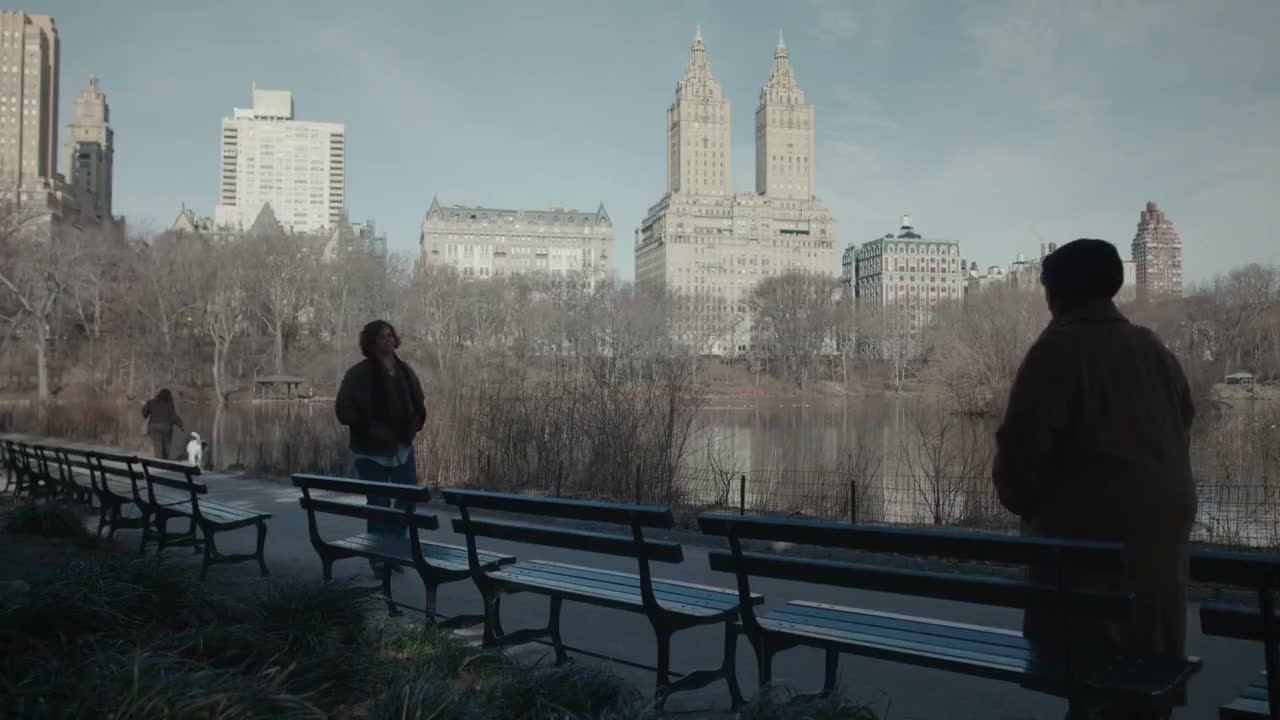 Siguiente · 10talk someone off the ledgeLa escena: Lee Visits Her Ex Elaine
He has been approached by the FBI and asked to wear a wire against Lee. He offers to stay quiet and lie for her, but only if she pays him for it.
He says he will not do it and would lie as a witness, but nothing in the scene proves it. The threat is what he is really selling.
Without the money, her only other option is Alan turning her in. His line "Figure it out" makes clear he expects her to find the cash some other way.
She needs money quickly — both to survive and to pay Alan. The forged letters are her way of turning a talent for imitation into income.
The demand pushes her to sell more forgeries and pull others into the scheme, which eventually draws the FBI closer to her.