00:00 / 04:54
00:00 / 04:54

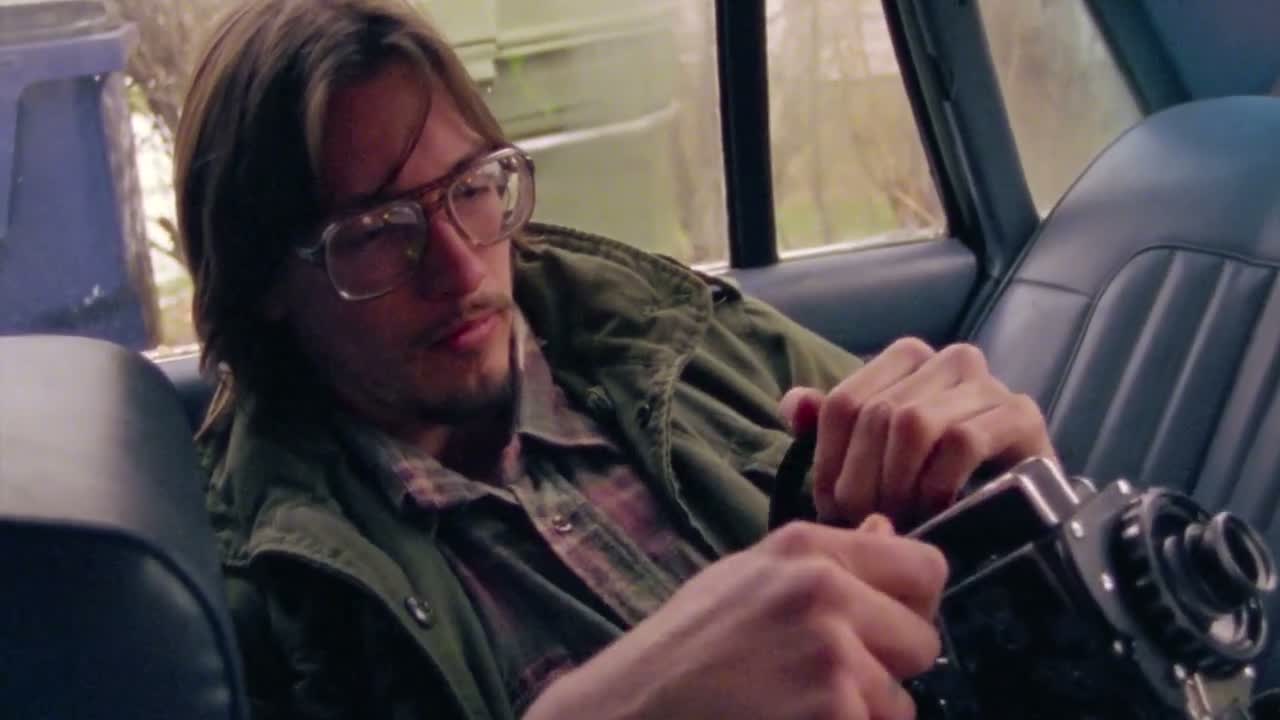
Mark Watches His Old Footage, Explained

American Movie · 1999

Capítulo 12 de 19 · 4'54"

Six years of work sit in a living room, and Mark finally names the thing that has kept the film unfinished: fear of finishing. "You let a day go by and fantasize, and that day slips into years." Around him, friends count their small winnings and relationships come apart.

MonologuesCouple fightsThankingConfessingB1mediumamerican

Key moments

Start here, then watch the full scene
  1. What Mike Is Thankful For

    0:05–0:49
    43s
  2. ❝ Monólogo · 5 frases Why Mark Stopped Shooting

    1:27–1:53
    27s
  3. Alyssa and Mark Argue

    4:28–4:53
    25s
  1. ❝ MonólogoOn letting days slip5 frasesPracticar ↗

Mark Watches His Old Footage, explained

What happens

At Thanksgiving, Mark's friend Mike is asked what he is thankful for and can only list a fifty-dollar win, a ten-dollar win and enough food. Then Mark sits watching footage he shot six years earlier, explaining that finishing the film would bring consequences, and that daydreaming is how days turn into years.

What's really going on

The chapter is obsessed with time and with what people will admit. Asked to be thankful, Mike offers lottery wins and meals, not family or faith—gratitude reduced to whatever got him through the week. Mark is more articulate about his own stall: he stopped shooting because finishing would mean "more consequences to it," and then comes the line the whole film is built around, "You let a day go by and fantasize, and that day slips into years." The editing puts the confession next to a messy shoot with his mother and a phone call about Alyssa and Joan, so the gap between the dream and the daily mess is visible. Nothing here is resolved; it is just named.

Key lines & what they mean

“You let a day go by and fantasize, and that day slips into years.”
Mark's diagnosis of his own delay: each passive, wishful day quietly stacks up until years have vanished.
“You've just ended what we've just begun.”
A line from a relationship argument—one person accusing the other of killing something that had only just started.
“I had nothing to look forward to.”
The low point Mike describes before a friend's visit: no plan, no hope, nothing expected tomorrow.
“There's nothing that lasts, you know?”
A bleak aside about relationships and projects alike—nothing holds, which is both a complaint and a kind of excuse.

Theme

  • Dreams — Mark's unfinished film is measured in years he let slip while fantasizing instead of finishing.
  • Heartbreak — The Alyssa and Joan conflict shows relationships of his own starting and ending as the years pass.

Qué aprendes en este capítulo

Puntos de enseñanza

Repasa justo después de ver
Mi nivel3/6

A1–C2 es la escala MCER. Las tarjetas por encima del nivel elegido se atenúan y la reproducción no se pausa en ellas.

American Movie: tu progreso

Capítulo 12 de 19 · quedan unos 30 min

← Anterior
Siguiente · 13the ship is sinkingLa escena: Mark Shoots the Last Take of Coven

Ideas clave

Lo que te llevas
  1. A wasted day is framed as a slide into years.
  2. Look forward to takes a noun or an -ing form.
  3. Walk away means leaving without fixing anything.
  4. The closing line refuses to let someone just leave.

Preguntas frecuentes

La pregunta, luego la frase
Why did Mark stop shooting Northwestern for six years?

He says fear is the reason: if he actually finished the film, it would have more consequences. As long as it stays unfinished, the dream is safe and the judgment is deferred.

What is Mark's friend Mike thankful for?

Small things: a $50 lottery win, a $10 win, and having food around Thanksgiving. He also mentions Mark visiting and cheering him up when he had nothing to look forward to.

Who are Alyssa and Joan, and why does it matter?

Alyssa is the mother of Mark's children and Joan is his new girlfriend. A phone call notes he is caught between them, and the scene cuts to an argument about what each relationship ended.

Why is Mark arguing with his mother during the shoot?

He is trying to direct her but keeps ending up out of frame or dead-center, and she keeps turning the camera off. It's an ordinary, funny domestic squabble over a shot that won't come right.